University of Primorska
Faculty of Mathematics, Natural Sciences and Information Technologies
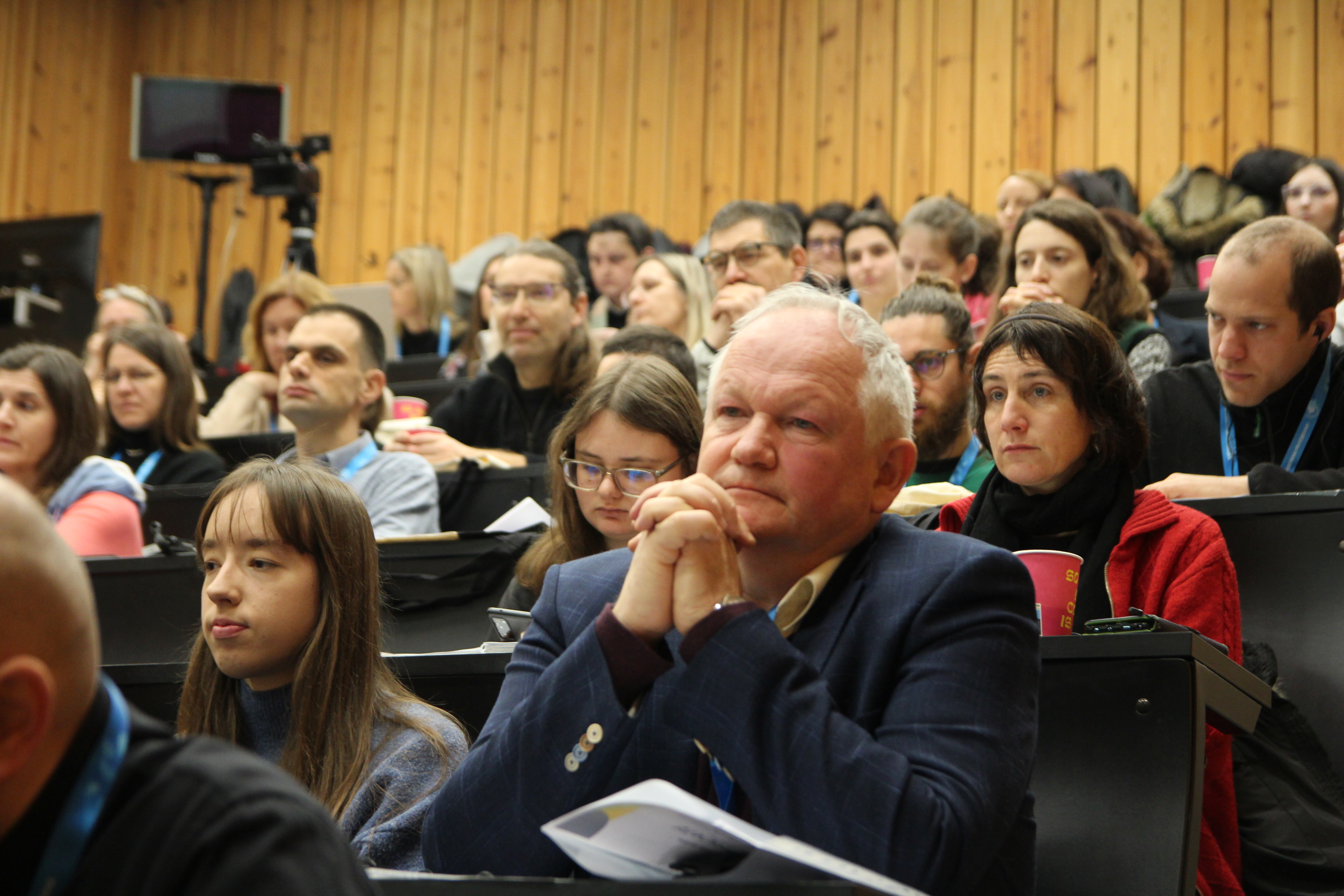
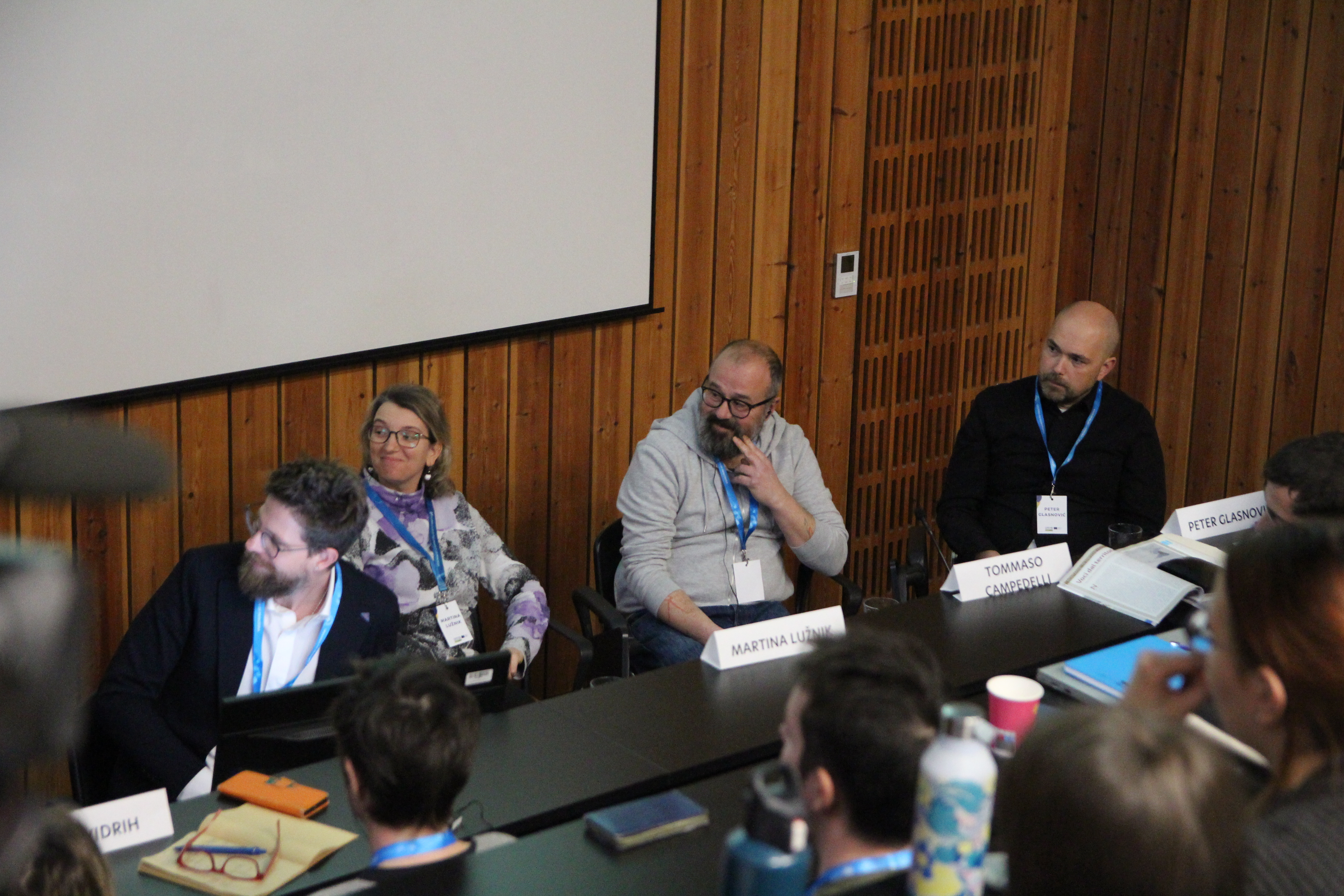
On January 22, 2026, a symposium titled Good Practices for Biodiversity Conservation in the Agricultural Landscape of the Karst was held in Livade at Facility 1.0. The event was attended by approximately 60 practitioners.

The symposium aimed to facilitate the exchange of knowledge and experience among experts in the fields ofnature conservation, biology, and ecology, as well as other stakeholders, including landowners, farmers, decision-makers, residents, and nature enthusiasts, all of whom are involved in the conservation of biodiversity in agricultural landscapes.
The event was structured into three thematic sections:
- sustainable management of pastures, grasslands, and ponds,
- restoration of burned areas and biodiversity,
- sustainable management and circular economies in the Karst.
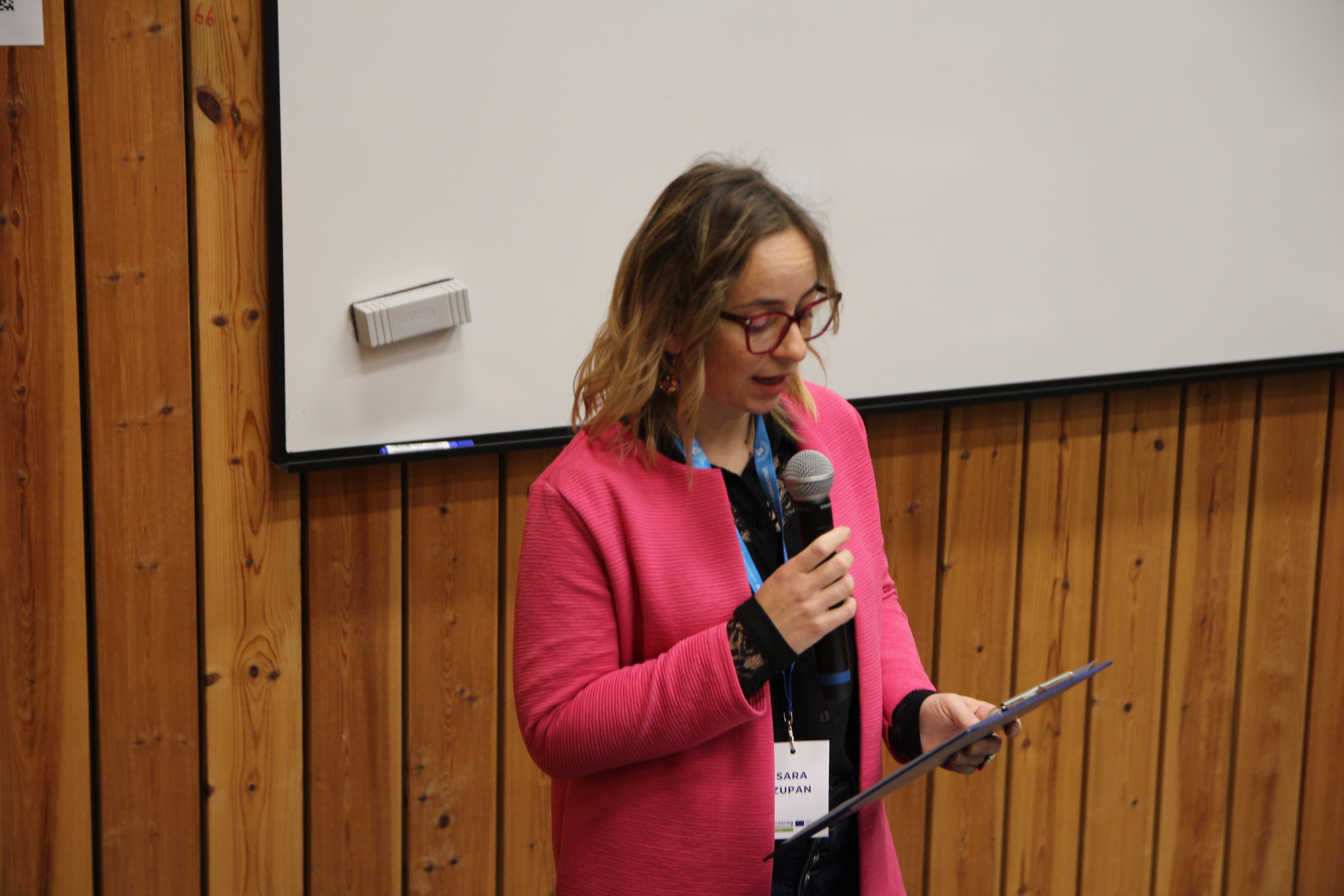
Assistant Professor Dr. Sara Zupan from the Department of Biodiversity, the event’s organizer, emphasized the importance of such meetings for connecting science and practice and for finding effective solutions for the conservation of the Karst landscape:
“When we think of the Karst, each of us probably forms a slightly different image. Today, the Karst is largely overgrown, but my image still reflects the Karst commons, dry-stone walls, bare rocky terrain, ponds, and grasslands with beautiful plants, butterflies, and birds. However we imagine it, the fact remains that the Karst as we know it today is the result of long-term coexistence between humans and nature. What it will look like in the future largely depends on our decisions.
The Kras4us project – Opportunities for the Conservation of Biodiversity and the Identity of the Karst – is based on the belief that many solutions already exist in the area itself, in the knowledge, experience, and good practices developed by researchers, land managers, farmers, and local communities. The project aims to identify, connect, and further develop these practices and to place them within a broader framework of long-term management of the Karst landscape.
The contributions we heard today, which are also collected in the book of abstracts, reflect the diversity of approaches to biodiversity conservation in agricultural landscapes. I believe that the exchange of knowledge, experience, and perspectives is exactly what can contribute to more thoughtful and long-term solutions.”
One of the key initiatives in this field is the Kras4us project, which is co-financed under the Interreg Italy–Slovenia Programme. The project connects partner organisations on both sides of the border, including the University of Primorska (UP FAMNIT).
The project partners are: the University of Primorska (UP FAMNIT), the Slovenian BirdLife Association (DOPPS – BirdLife Slovenia), Škocjan Caves Park, and the Local Action Groups Kras VAM.
The book of abstracts is available HERE.