University of Primorska
Faculty of Mathematics, Natural Sciences and Information Technologies
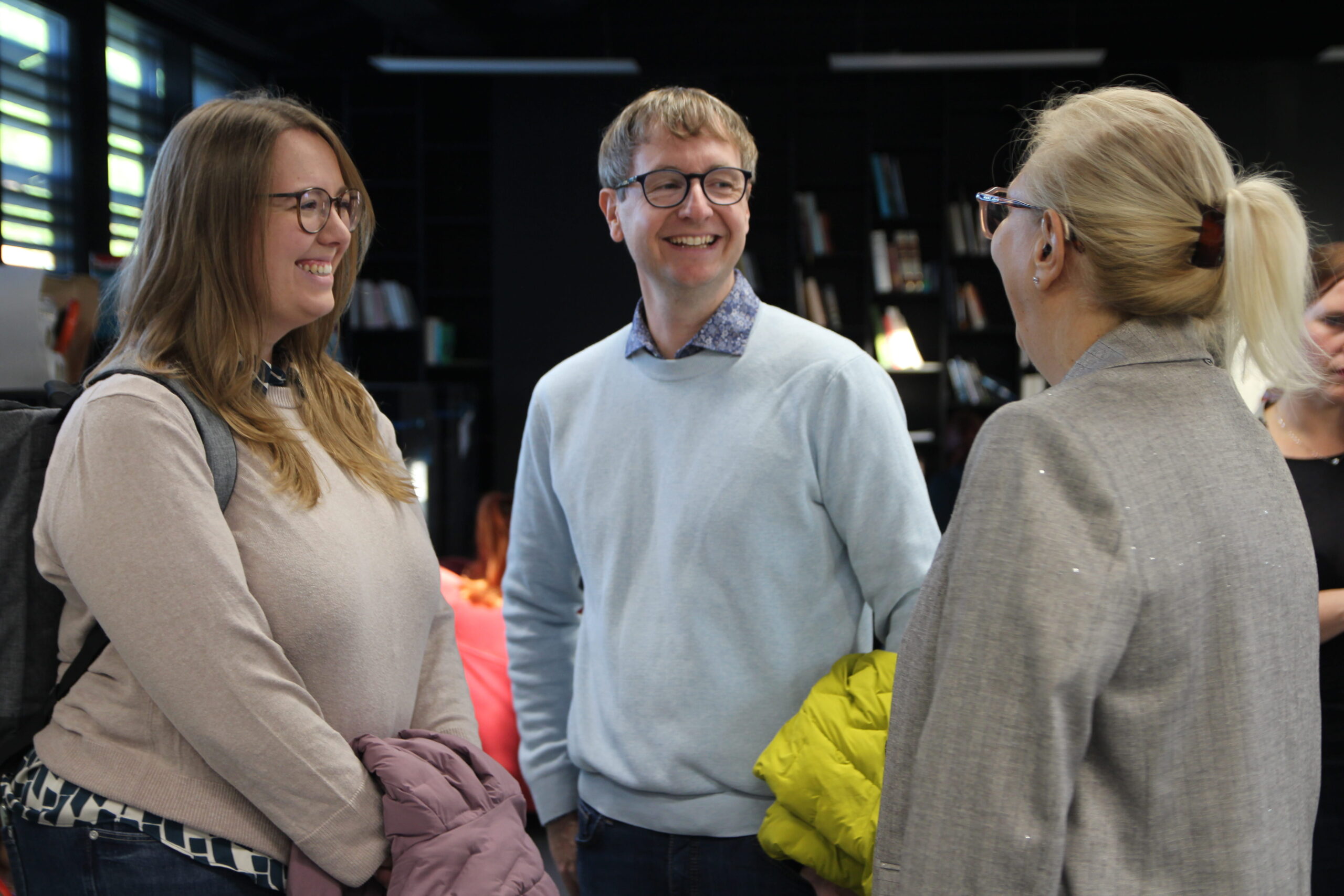
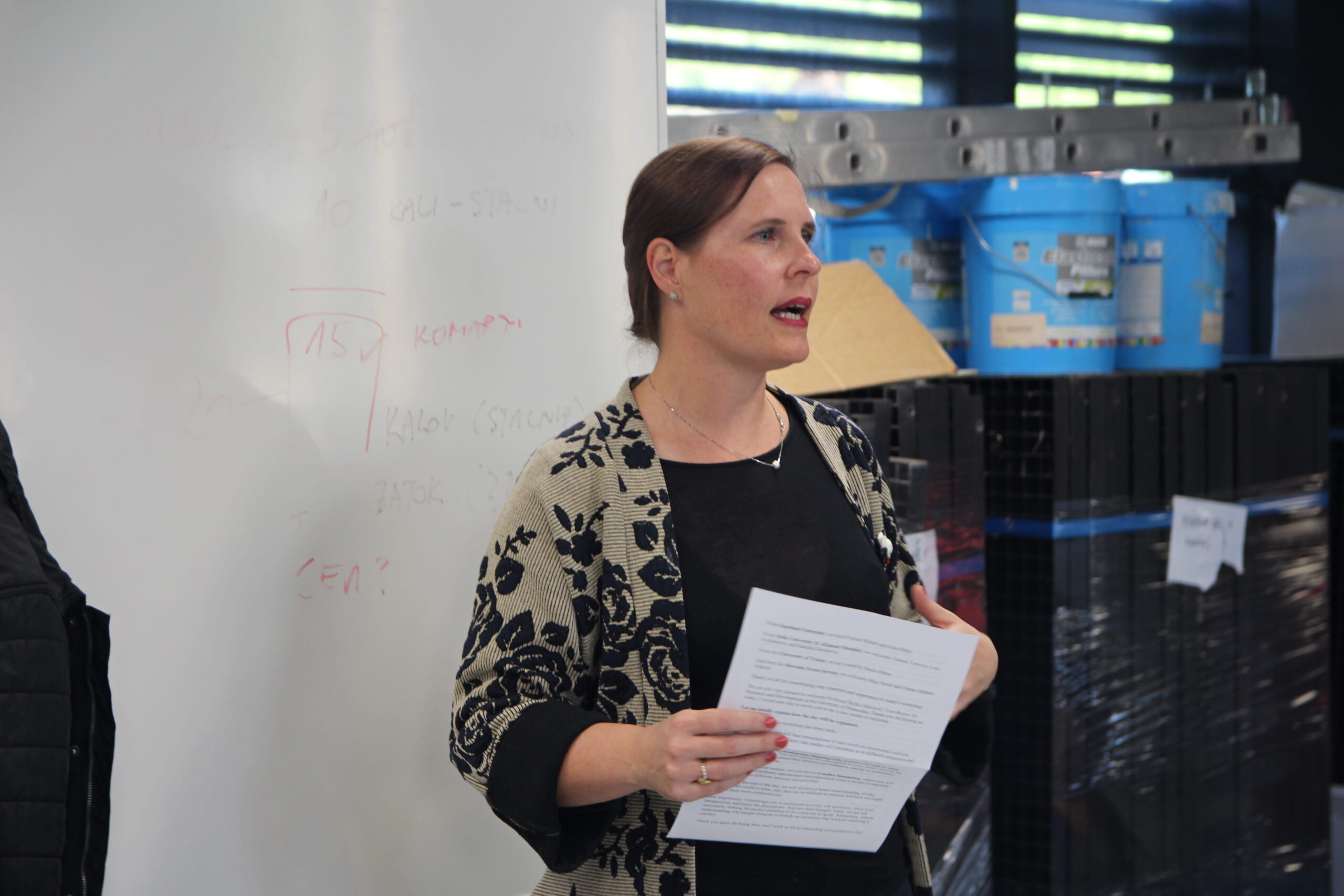
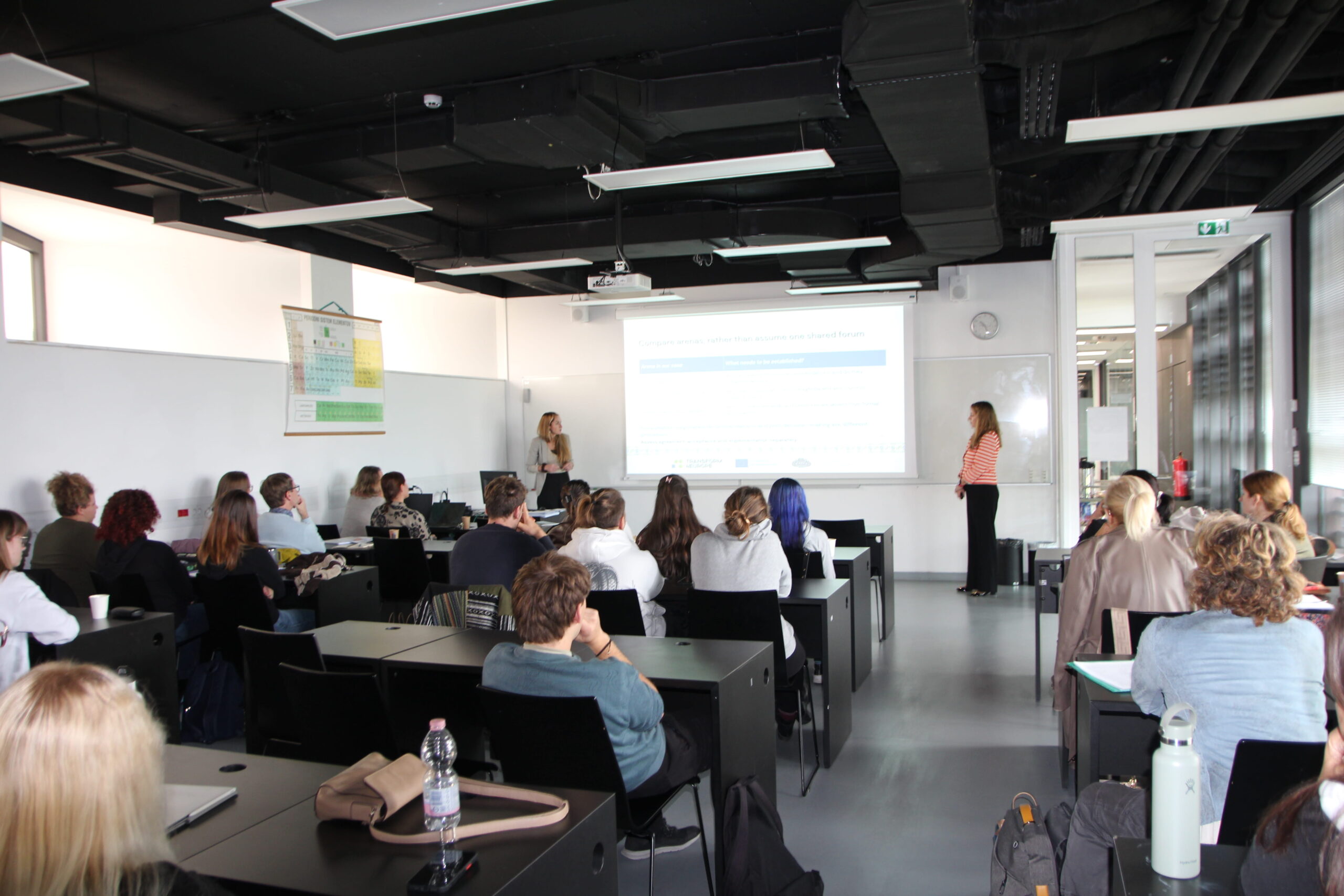
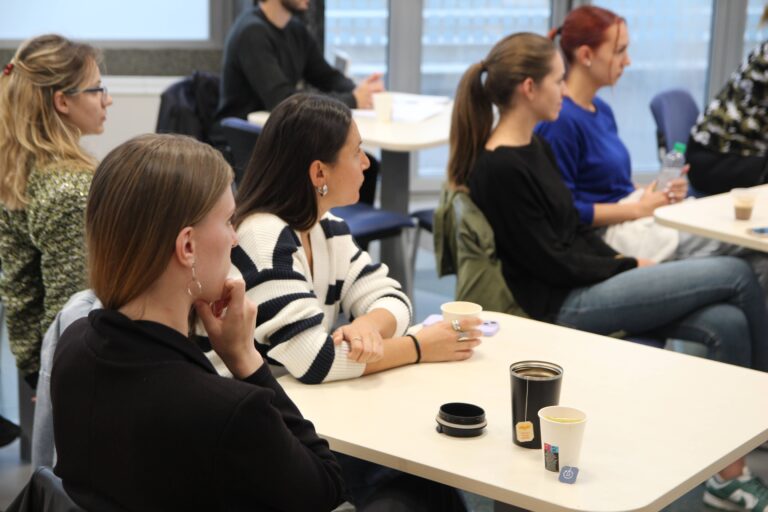
On Friday 23rd October 2026 the Department of Biodiversity UP FAMNIT hosted a full day international workshop entitled “Environmental Conflicts Lab: Stakeholder Perspectives and Conflict Transformation in Environmental Governance” at the Livade building. The workshop was part of the project “Building Bridges between People and Nature through Conflict Transformation” which is funded by the Transform4Europe (T4EU) Seed Funding programme.
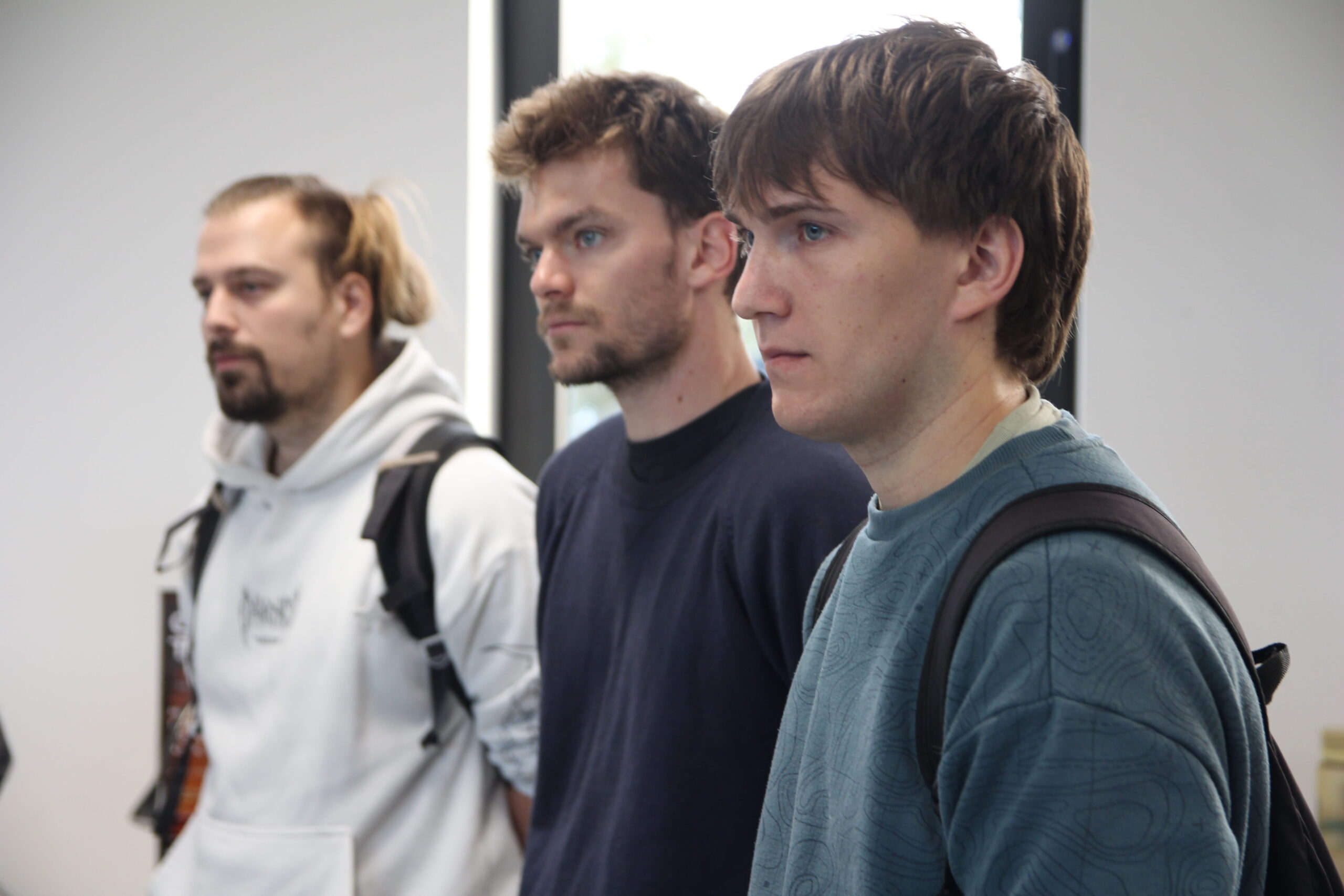
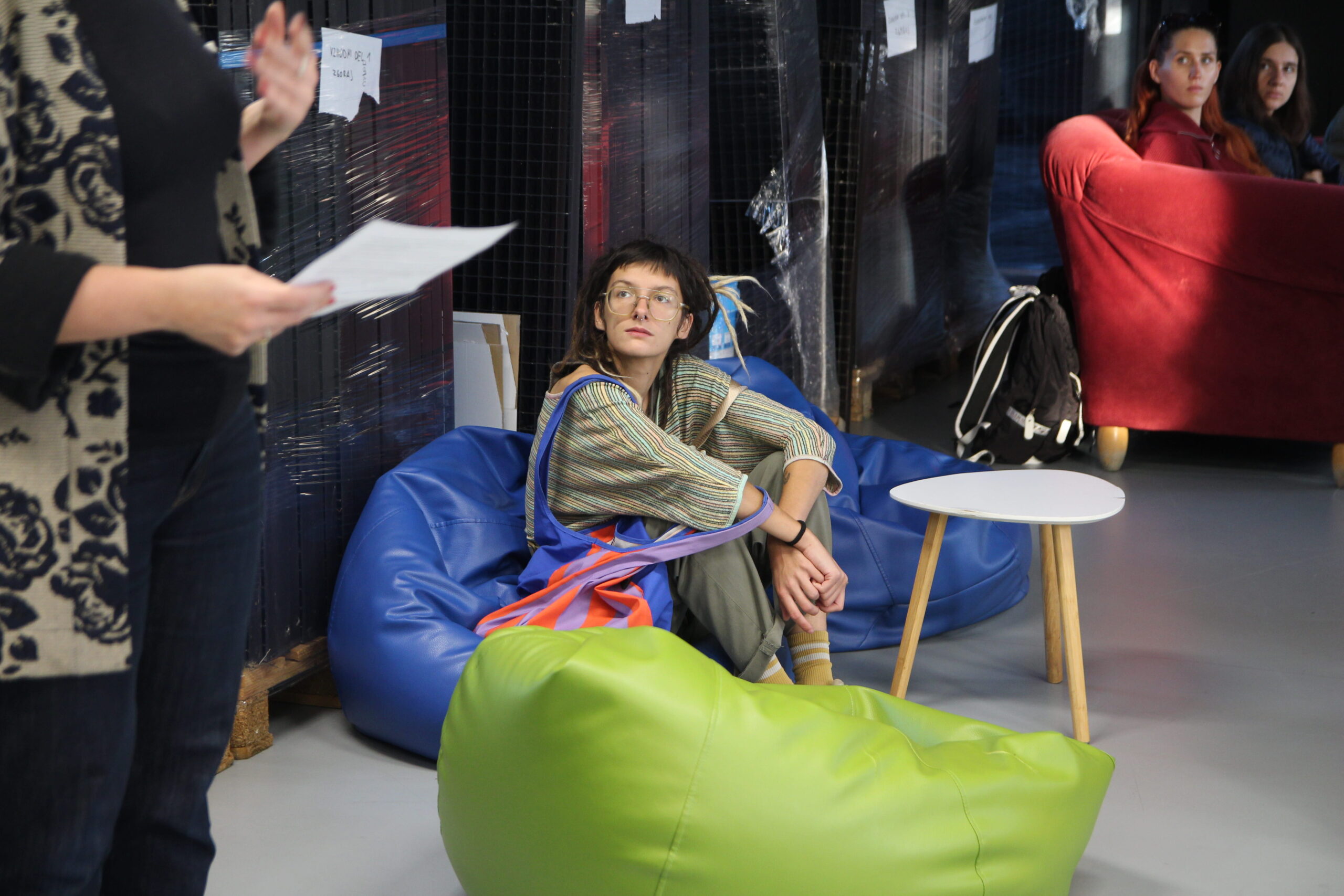
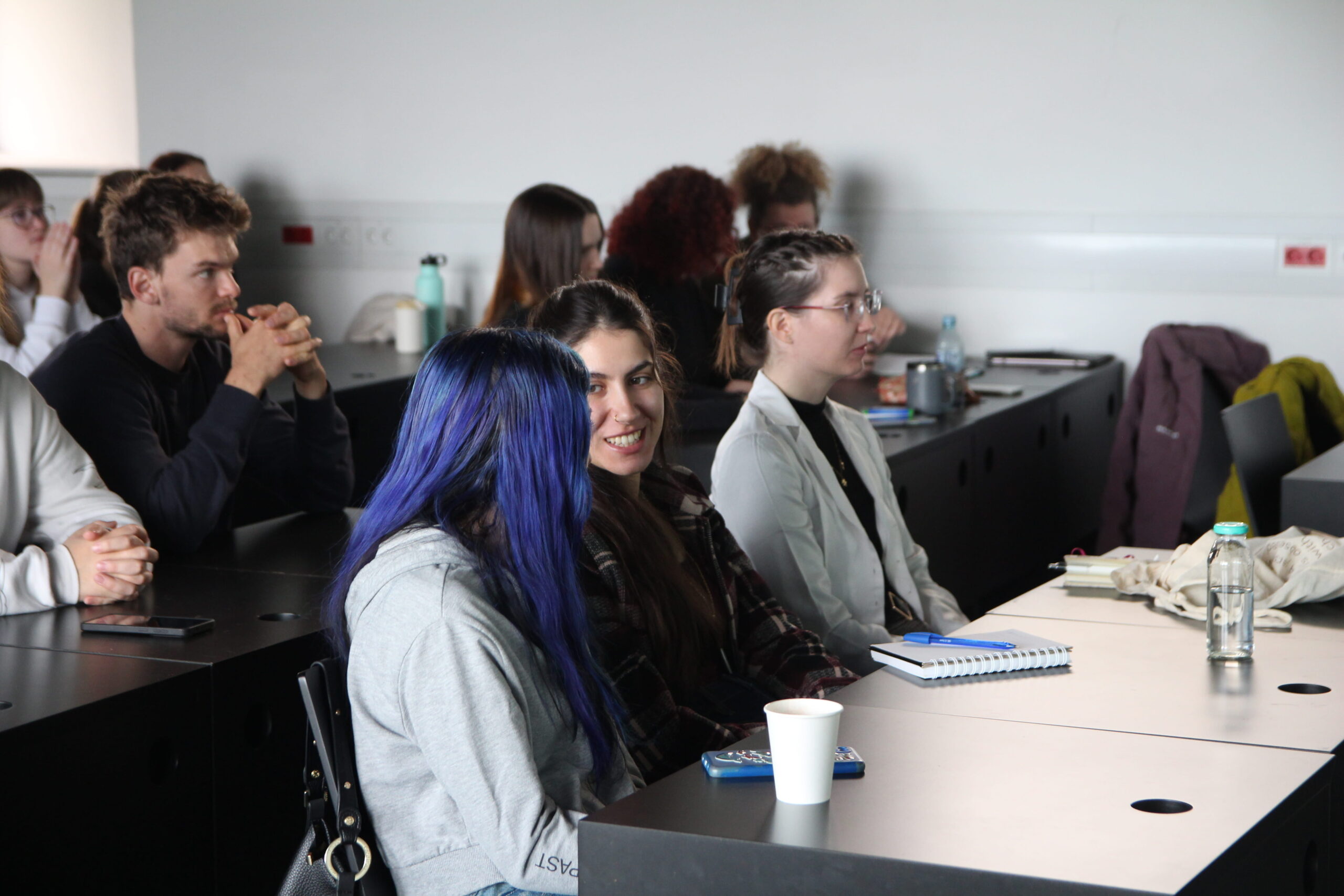
Researchers from four of the T4EU universities (Saarland University, St. Kliment Ohridski University of Sofia, the University of Trieste and the University of Primorska) attended the workshop. Students from the University of Trieste and the University of Primorska were also in attendance and had the opportunity to learn about various approaches to the study of environmental conflict.
Participants included Florian Weber and Julia Dittel from Saarland University, as well as Tatiana Tomova, Lora Lyubenova, and Daniela Dimitrova from St. Kliment Ohridski University of Sofia, who are project partners. Paola Ottino and Sara Cosatti represented the University of Trieste. Vesna Mihelič Oražem and Maja Sever from the Slovenia Forest Service also attended as guests.
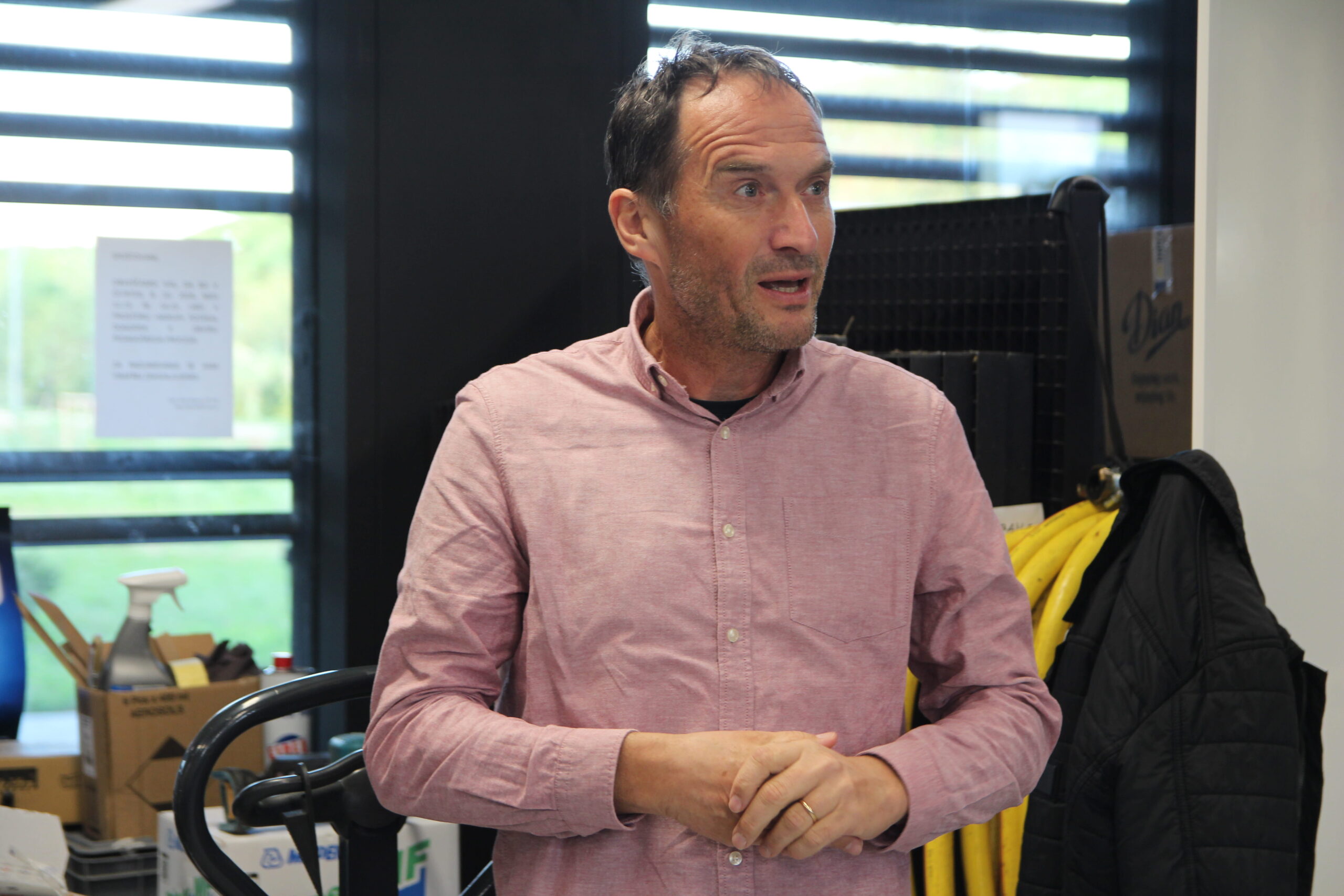
We spoke with Assoc. Prof. Živa Fišer from UP FAMNIT about the workshop’s purpose and the importance of addressing environmental conflicts in education.
What is the main goal of the workshop, and what would you like participants to take away from it?
“The workshop focuses on environmental conflicts and, above all, their transformation. We decided to organize it because I believe that students in the Master’s programme in Nature Conservation hear too little about conflicts, even though they encounter them at every turn in the field of nature conservation.
We therefore organized a workshop for students as part of a small-scale project funded through the T4EU Seed Funding programme. We wanted to find out whether students are interested in these topics and how much they already know about them. At the end of the day, we will conduct a short survey to assess the students’ responses and determine whether it would make sense to develop these topics further in the future.”
What does collaboration with other universities bring to the study of environmental conflicts? Do approaches differ between universities?
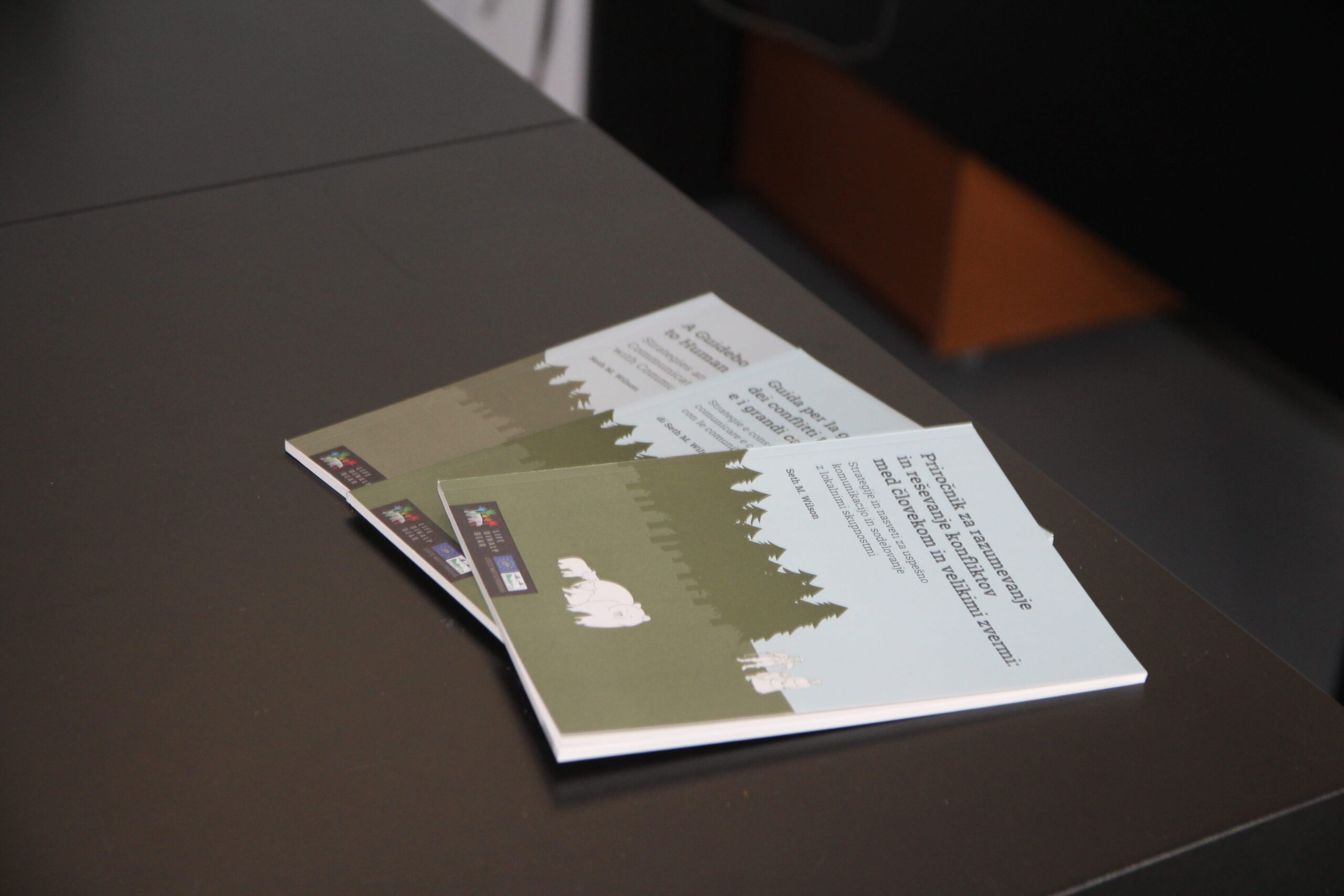
“The differences mainly concern the types of conflicts each university researches. The workshop features a wide variety of examples, ranging from the siting of wind farms to mine closures and issues surrounding the conservation of large carnivores.
Although the topics vary, the importance of cooperation among different stakeholders repeatedly emerges. This applies not only to environmental conflicts but also to many other fields in which stakeholders play a crucial role in finding solutions.”
We also asked a student enrolled in the Master’s programme in Nature Conservation at UP FAMNIT to share their thoughts on the workshop.
What surprised you most or made you think during today’s workshop?
“I was most surprised by the workshop itself, as I believe it is extremely useful for our field. It helps us prepare for real-world problems that we will encounter in our professional lives. It made me think about the fact that I will have to deal with these kinds of challenges in the future, too — and that will be very interesting.”
Did you learn any new approaches during the workshop that you could apply to your studies or future work?
“Definitely. A workshop like this is essential both for our studies and for our future careers. As a conservation biologist, I will encounter precisely these kinds of challenges. That is why I believe it is important to learn how to use different approaches and apply them in practice.”
The workshop thus bridges international research experience with the needs of future conservation professionals, highlighting the importance of understanding conflicts, fostering cooperation among stakeholders, and finding solutions to environmental challenges.