University of Primorska
Faculty of Mathematics, Natural Sciences and Information Technologies
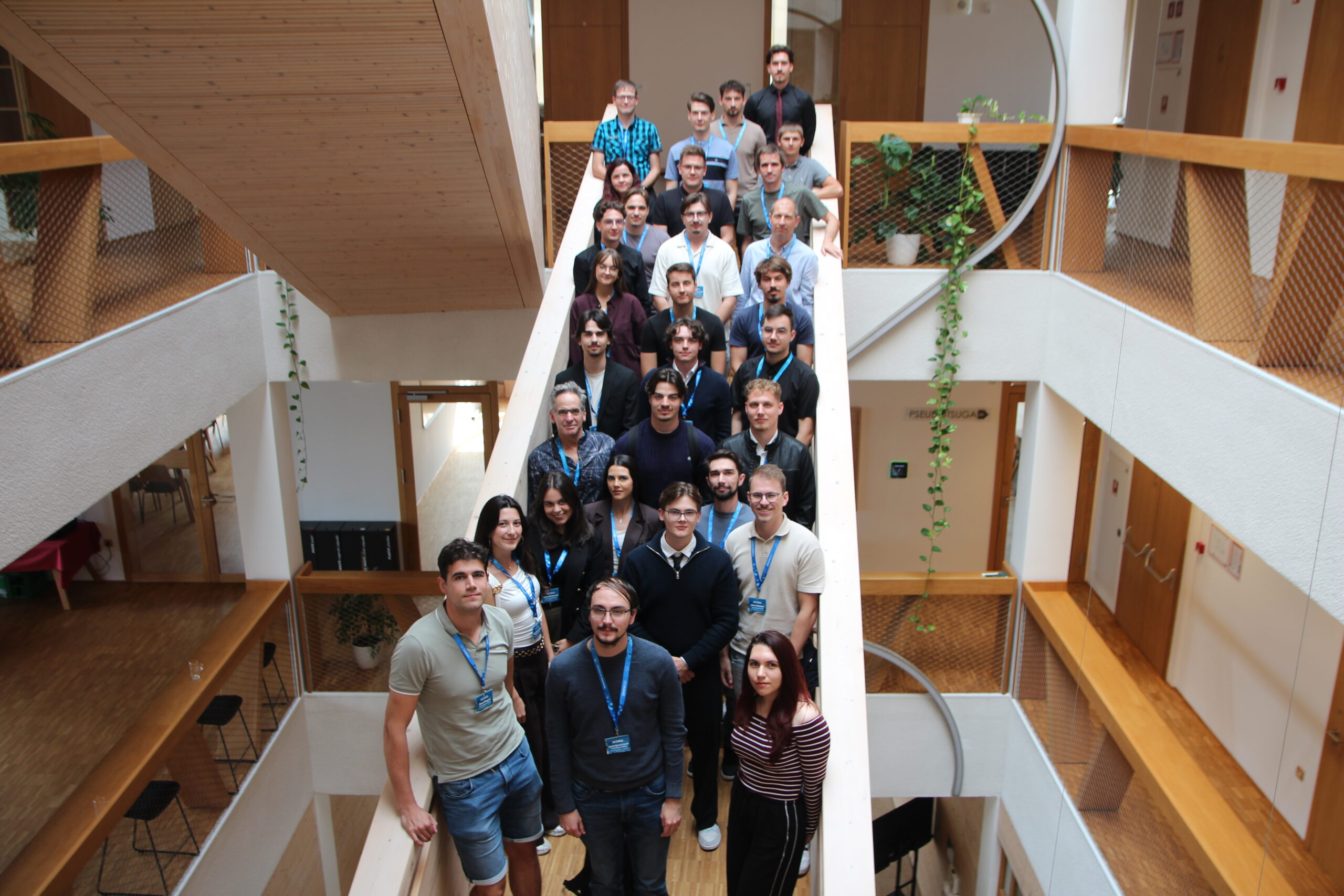
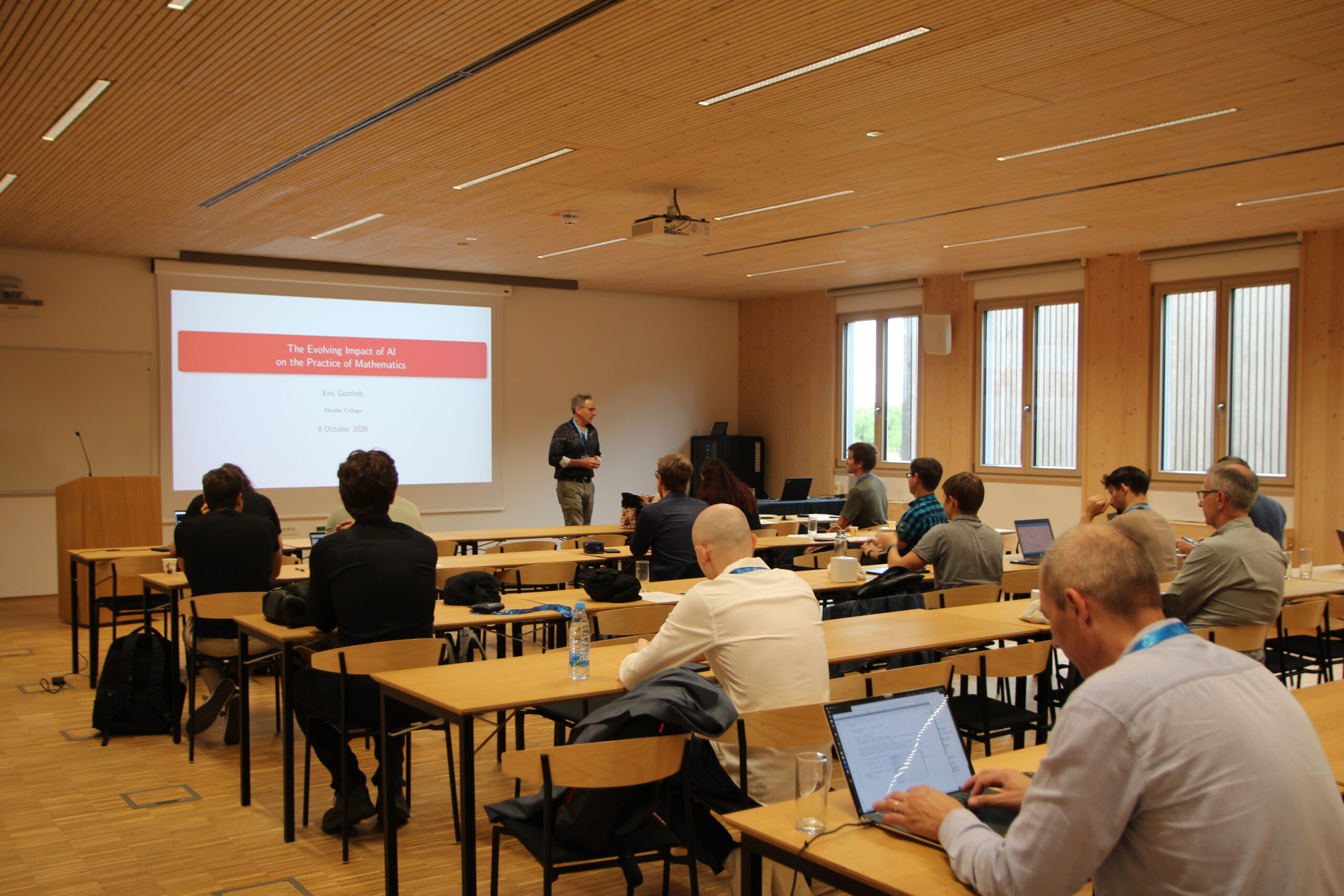
Yesterday, 8 October 2026, the 12th Student Computing Research Symposium (SCORES) took place at the new, state-of-the-art facilities of InnoRenew CoE UP IAM in Izola.
SCORES is a unique event in Slovenia, specifically dedicated to encouraging and supporting the development of undergraduate and master’s students. At least one of the authors or co-authors of each paper presented at the SCORES symposium must be an undergraduate or master’s student. The event provides students with valuable opportunities for professional and research development, strengthens collaboration, and encourages creativity.
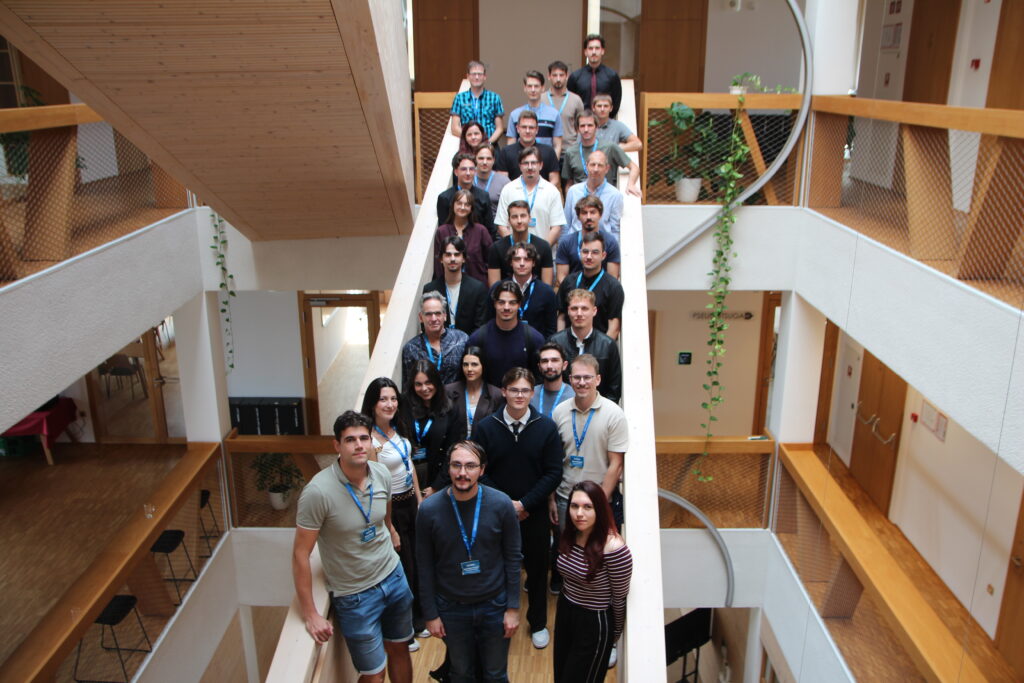
UP FAMNIT has hosted the symposium on several occasions, namely in 2015, 2019, and most recently in 2023. The annual symposium was initially organised by four institutions: the University of Ljubljana, the University of Maribor, the University of Primorska (UP FAMNIT), and ACM Slovenia.
This year’s event focused primarily on the rapid development of the field of computing, particularly the application of artificial intelligence and machine learning.
The keynote speakers at this year’s event were Eric Gottlieb, who delivered the talk “The Evolving Impact of AI on the Practice of Mathematics”, and Domen Vake, who presented “Bridging the Question–Answer Gap in Retrieval-Augmented Generation: Hypothetical Prompt Embeddings”.
Eric Gottlieb is an Associate Professor in the Department of Mathematics and Statistics at Rhodes College. His research interests include algebraic, enumerative, and topological combinatorics, and he has also published work in combinatorial game theory, Ramsey theory, and graph theory. He is an advocate of the liberal arts educational model.
Domen Vake holds both a bachelor’s and a master’s degree in Computer Science from the University of Primorska. He is currently a PhD student in Computer Science at the Faculty of Mathematics, Natural Sciences and Information Technologies (FAMNIT), within the Department of Information Sciences and Technologies (DIST). His research interests include artificial intelligence, with a particular focus on large language models and their applications.
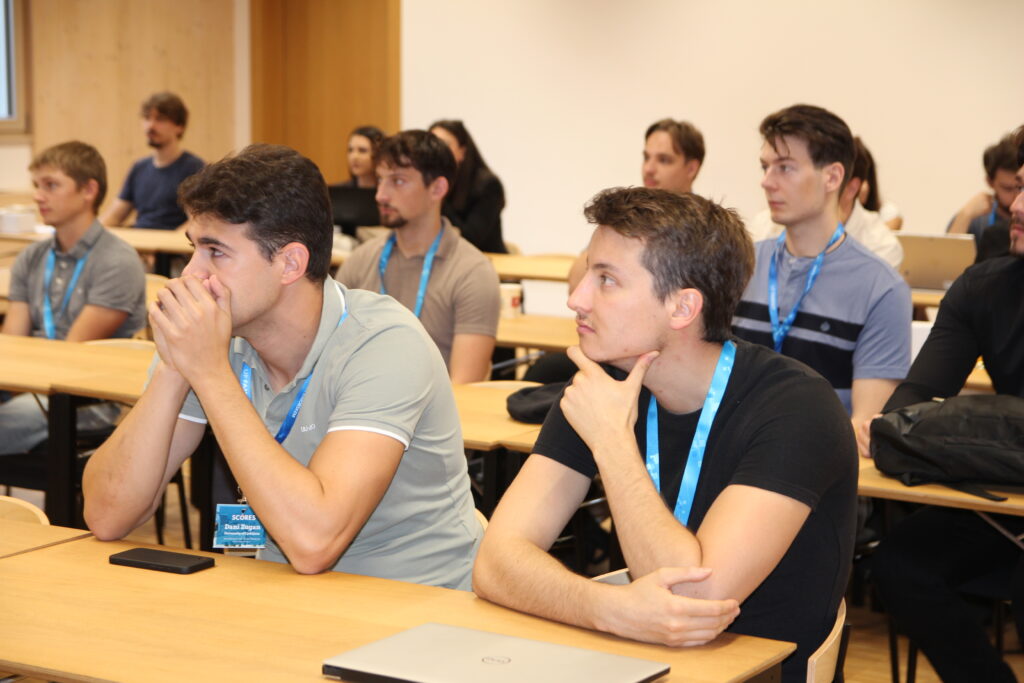
In addition to the keynote lectures, this year’s programme was divided into four main sessions:
- Session 1: Multi-Agent Systems and Reinforcement Learning
- Session 2: Natural Language Processing, Speech, and Human–Computer Interaction
- Session 3: Algorithms, Graphs, and Theoretical Computer Science
- Session 4: Applied Machine Learning, Computer Vision, and Signal Processing
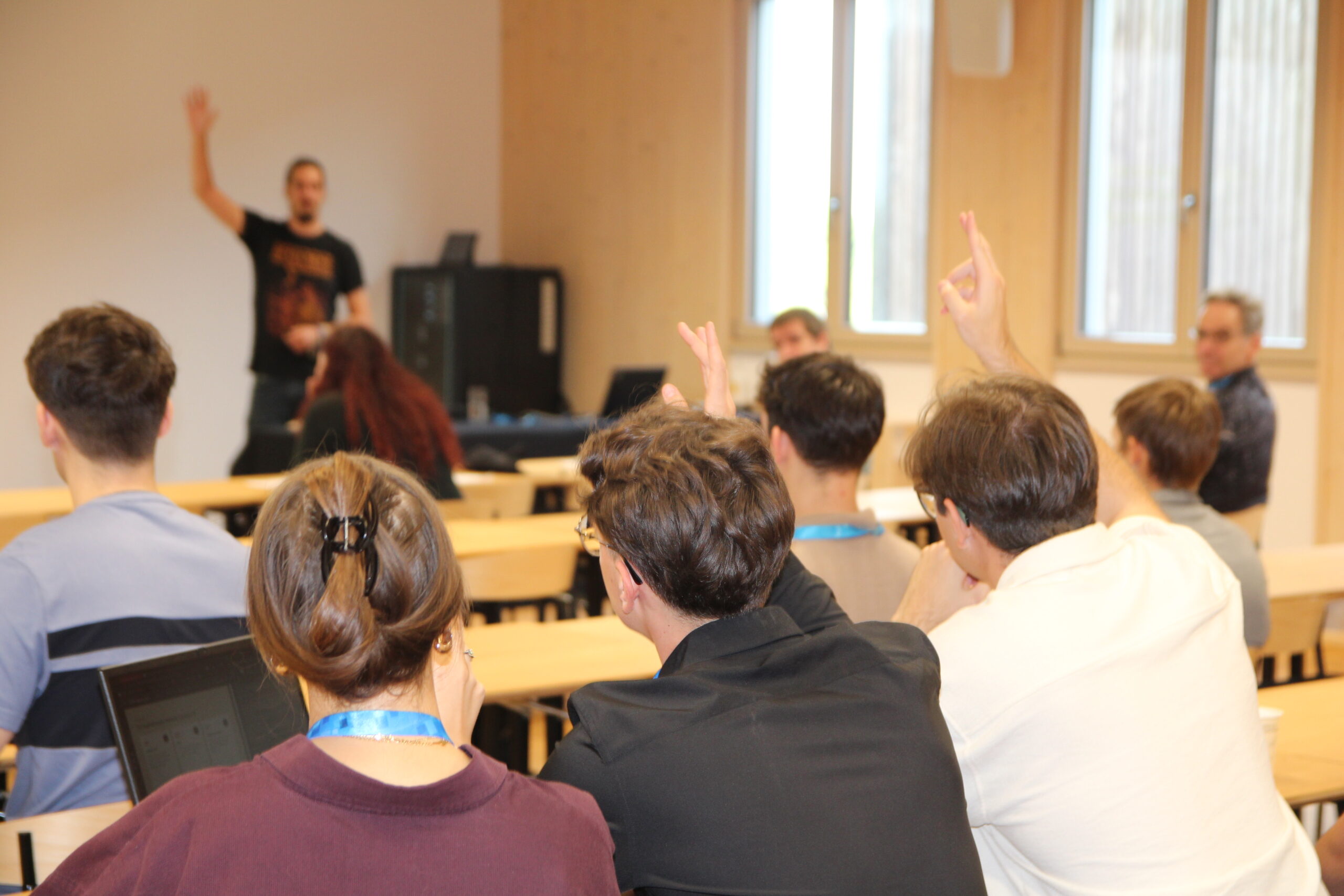
During each session, students presented their research contributions.