University of Primorska
Faculty of Mathematics, Natural Sciences and Information Technologies
World Science Day for Peace and Development, celebrated on 10 November, highlights the important role of science in advancing society, improving quality of life, and finding solutions to the challenges of the modern world. UNESCO proclaimed this day in 2001, and it was first celebrated in 2002.
Science is one of the key tools for strengthening peace, reducing poverty, and promoting sustainable development. At the same time, it is important to make scientific knowledge accessible to the wider public and to encourage curiosity, critical thinking, and the search for new solutions.
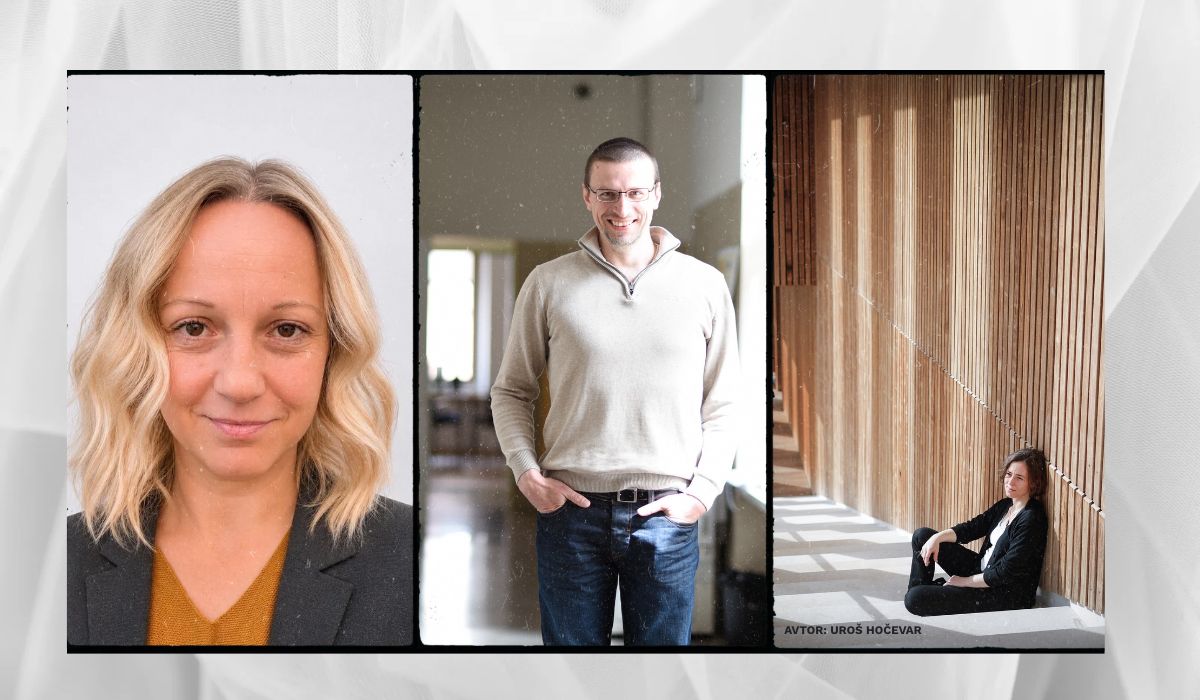
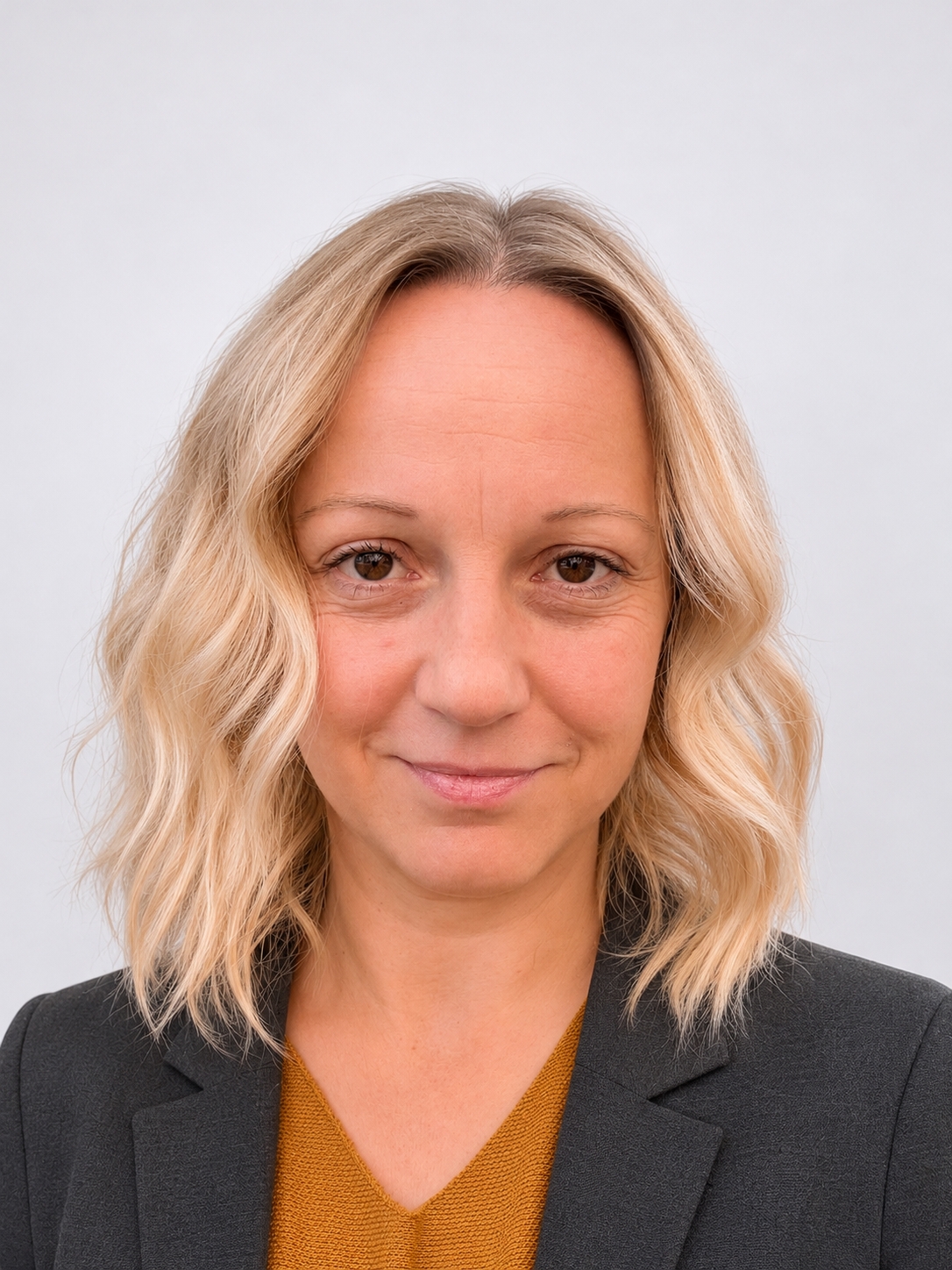
To mark this year’s World Science Day, we spoke with three professors from the University of Primorska, Faculty of Mathematics, Natural Sciences and Information Technologies (UP FAMNIT): Assist. Prof. Vesna Jug, PhD, from the Department of Psychology; Prof. Marko Tkalčič, PhD, from the Department of Information Sciences and Technologies; and Prof. Andreja Kutnar, PhD, from the Department of Applied Natural Sciences.
They shared their perspectives on recent scientific discoveries, research trends, and challenges in their respective fields, reflected on the future of science, and discussed what excites them most about their research.
What Excites Our Professors About the World of Science?
We asked them which recent scientific discoveries or research achievements in their respective fields had impressed them the most.
Assist. Prof. Vesna Jug, PhD, Department of Psychology:
“Perhaps it is not a single discovery, but rather a change in how psychology verifies its findings. Recently, it has become evident that the findings of many established studies cannot be replicated, a phenomenon known as the replication crisis. What excites me is how the scientific community has responded. Instead of hiding the problem, it has begun to change its own practices: today, research is preregistered, data is made openly accessible, and laboratories around the world are joining forces in large-scale collaborative studies. Psychology has thus demonstrated that it is capable of acknowledging its mistakes and learning from them, which, to me, is the very essence of science.”
Prof. Marko Tkalčič, PhD, Department of Information Sciences and Technologies:
“Within my specific research area (recommender systems and user modelling), I find the emergence of research on the use of recommender systems for social good particularly important. Recommender systems first appeared around the year 2000 as tools designed to make everyday life easier for end users. Over the years, however, they have increasingly become tools used by large corporations, often at the expense of users. I have also contributed to this field by editing a special issue entitled Recommender Systems for Good in the journal ACM Transactions on Recommender Systems: https://dl.acm.org/toc/tors/2027/5/1.”
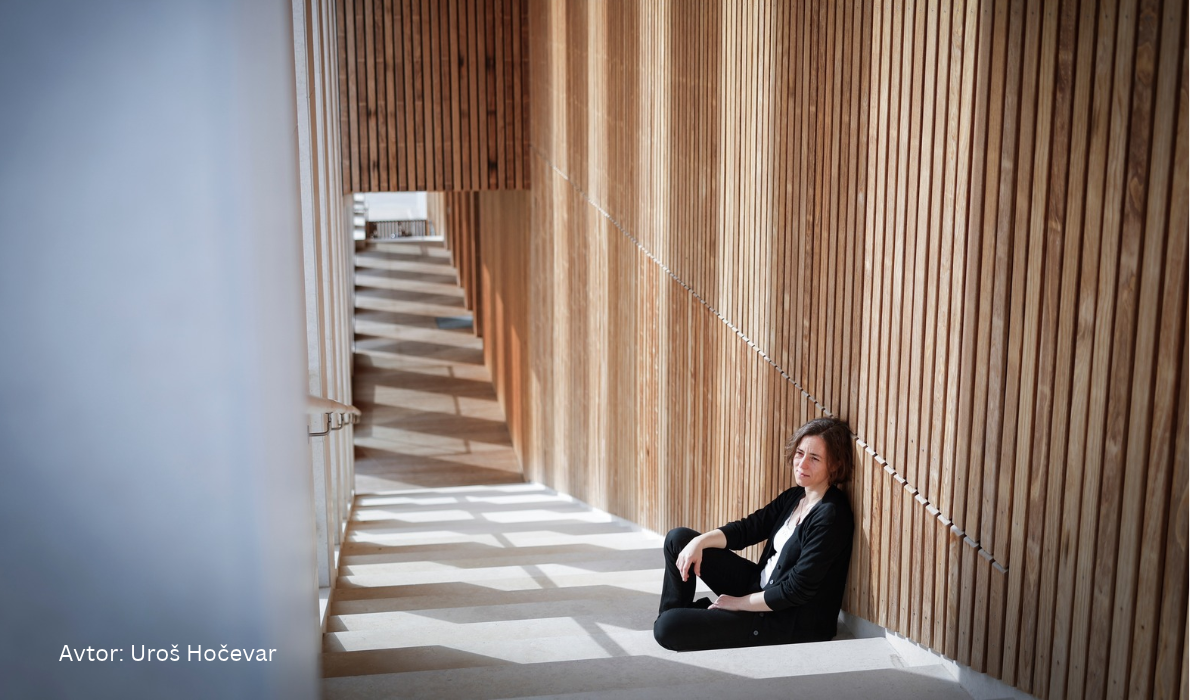
Prof. Andreja Kutnar, PhD, Department of Applied Natural Sciences:
“In the field of wood science, research has traditionally been predominantly application-oriented, as the discipline is closely connected to the immediate needs of industry. Recently, however, I have become increasingly excited by fundamental research that opens up entirely new possibilities for developing advanced wood-based materials. One particularly promising area is the integration of metal-organic frameworks (MOFs) into wood. Such materials could enable the development of wood that actively captures CO₂ during its use and adsorbs volatile organic compounds and other harmful indoor emissions. With the establishment of a beamline at the University of Primorska, I hope we will be able to make a significant contribution to the fundamental understanding of interactions in MOF-wood composites, thereby laying the foundations for a new generation of functional bio-based materials.”
The research achievements of our professors demonstrate the diversity of scientific research and highlight the importance of connecting fundamental knowledge with its practical applications.
What Does It Take to Build a Successful Research Career?
What advice would you give to young people considering a career in research?
Assist. Prof. Vesna Jug, PhD, Department of Psychology:
“Follow the questions that genuinely interest you, rather than focusing only on topics that are currently fashionable. Research is a long journey filled with unsuccessful attempts, rejected papers, and projects. Curiosity is what keeps you going. Find a good mentor and a research group where you feel comfortable asking questions and making mistakes. Get involved in research while you are still a student, as this is the best way to experience how science actually works. Do not underestimate the importance of methodology and statistics, as they open many doors. Also, build international connections, because science is global today.”
Prof. Marko Tkalčič, PhD, Department of Information Sciences and Technologies:
“Research is a marathon, not a sprint. It requires learning and developing certain skills before research achievements can be attained. Today, artificial intelligence allows us to produce results and publications very quickly, which may appear credible at first glance. However, excessive and uncritical use of AI can hinder personal development and critical thinking. AI is an excellent tool that enables us to work more quickly and accurately. Nevertheless, I strongly recommend using artificial intelligence critically. We should be particularly aware of the phenomenon known as the doorman fallacy, which occurs when we replace researchers’ work with AI. Just because AI enables us to produce research results more quickly does not mean that it replaces everything a researcher gains through the research process.”
Prof. Andreja Kutnar, PhD, Department of Applied Natural Sciences:
“Being a researcher is not just a profession; it is a way of life. Curiosity does not stay behind the laboratory doors but accompanies us at every step. We constantly observe the world around us through questions, look for connections, and try to understand how things work. That is why I would offer young people one piece of advice above all: stay curious. If you are driven by the desire to discover the unknown, research will not simply be your job but your calling.”
How Can Universities Encourage Young Researchers?
What could universities and research institutions do to encourage more young people to pursue research?
Assist. Prof. Vesna Jug, PhD, Department of Psychology:
“They should provide students with opportunities to engage in research as early as possible by involving them in projects throughout their studies. Good mentoring and tutoring are also extremely important, with more experienced individuals guiding those who are just starting out. Teaching, science communication, and teamwork should also be recognised and valued, rather than focusing solely on the number of publications. Last but not least, we should also take care of researchers’ mental health, as the pressure within academia can be considerable.”
Prof. Marko Tkalčič, PhD, Department of Information Sciences and Technologies:
“In my ideal world, young people who are creative and curious would choose research careers. One of the obstacles to achieving this is the way researchers are evaluated through bibliometric indicators. Particularly today, in the age of advanced AI, people with very little curiosity or creativity can optimise their output according to bibliometric criteria and achieve high scores, even though their publications lack substance. I would like to see changes in research evaluation methods, with the focus placed on the quality and content of research rather than the quantity of scientific publications.”
Prof. Andreja Kutnar, PhD, Department of Applied Natural Sciences:
“One of the greatest challenges of the future is not only generating new knowledge but also creating conditions in which young people can enjoy a decent standard of living. At a time of housing crises and increasing economic pressures, I hope for a society in which passion for research, creativity, and dedication to one’s work do not require sacrificing family life, but instead allow people to successfully combine both.”
What Will the Future of Science Look Like?
What scientific breakthroughs or changes in your field do you expect to see over the next ten years?
Assist. Prof. Vesna Jug, PhD, Department of Psychology:
“I expect psychology to increasingly explore topics that have long been overlooked or even considered taboo, particularly those related to women’s health. Menstruation, infertility, and menopause have a significant impact on mood, self-image, work, and relationships, yet for a long time these topics were left almost exclusively to the field of medicine. Women have often been underrepresented in research, partly because hormonal fluctuations were considered a disruptive factor. Today, we increasingly recognise these fluctuations as an important part of the human experience that deserves further investigation.
I also have high expectations for research into longevity. We are increasingly understanding that a sense of purpose, optimism, and quality relationships are not only consequences of good health but also predictors of it. The way we conduct research will change as well: smart devices and applications already allow us to monitor people’s well-being in their everyday lives, rather than exclusively in laboratory settings.”
Prof. Marko Tkalčič, PhD, Department of Information Sciences and Technologies:
“I don’t know, but I hope that recommender systems will help people grow personally in the future rather than encourage consumerism.”
Prof. Andreja Kutnar, PhD, Department of Applied Natural Sciences:
“Given the increasingly important role of wood in the transition towards a low-carbon society, I believe that one of the key areas of development in the coming years will be the use of fast-growing and currently lower-quality wood species in construction. Although modern modification techniques and engineering design already allow us to transform such wood into materials with excellent properties, their wider application has not yet reached its full potential.
I am confident that new scientific insights will help us better understand the behaviour of these materials and enable their safe and reliable use in buildings. At the same time, I see great potential in developing advanced wood composites for strengthening existing buildings and extending the service life of the existing building stock. This will make an important contribution to the sustainable renovation of the built environment.”
How Does Research Contribute to Addressing Societal and Environmental Challenges?
How does your research contribute to addressing current societal or environmental challenges?
Assist. Prof. Vesna Jug, PhD, Department of Psychology:
“One of the areas I focus on is the psychology of sexual and reproductive health, which I also introduce to students through an elective course of the same name. These are topics that are still not discussed enough in society, ranging from menstruation and contraception to infertility, pregnancy, the postpartum period, and menopause.
For many women and families, for example, the postpartum period is a time of major changes and vulnerability, yet its psychological challenges are still often left unspoken. By addressing these topics openly and professionally, we help reduce stigma and equip future psychologists with the knowledge and skills to support people during these important stages of life.
Another area of my research concerns the use of mobile devices and their potential psychological consequences. Smartphones have become part of our identity and relationships, which is why it is important to understand when they benefit us and when they begin to negatively affect our well-being, particularly among young people.”
Prof. Marko Tkalčič, PhD, Department of Information Sciences and Technologies:
“In my research, I have always focused on the end user, their personality and emotions, rather than on optimising clicks or purchases. I intend to continue doing so.”
Prof. Andreja Kutnar, PhD, Department of Applied Natural Sciences:
“The climate crisis requires us to reduce environmental impacts while simultaneously adapting the built environment to increasingly frequent extreme conditions, such as heatwaves, fires, and other consequences of climate change. Wood has tremendous potential in this regard, as it combines renewability, carbon storage, and a wide range of applications in construction.
I hope my research will contribute to enabling us to use fast-growing and currently lower-quality wood species effectively, even in the most demanding applications. The key to achieving this lies in thoroughly understanding the material, as knowledge is the foundation for developing solutions that are safe, sustainable, and reliable in the long term.”
What Makes Science So Special?
What still surprises you most about science?
Assist. Prof. Vesna Jug, PhD, Department of Psychology:
“I am still surprised by how simple questions can lead to complex answers. Human beings are both surprisingly predictable and unpredictable at the same time. The most rewarding moments are those when data reveal something I did not expect and force me to reconsider my assumptions. I am also surprised by how many new perspectives students bring through their questions, some of which I might never have thought of myself.”
Prof. Marko Tkalčič, PhD, Department of Information Sciences and Technologies:
“I am constantly surprised by the gap between scientific discoveries, technological progress, and our understanding of their consequences. I am also struck by the differences between researchers’ motivations and the subsequent uses of their discoveries.”
Prof. Andreja Kutnar, PhD, Department of Applied Natural Sciences:
“What surprises me most about science is that the more we investigate something, the more new questions emerge. Every answer brings new questions, and that is precisely why science is an endless journey of discovery. I believe that the greatest discoveries begin with curiosity and the courage to ask questions to which we do not yet know the answers. Statistics and measurements are indispensable, but science also advances when we dare to share our hypotheses and observations. Only through open dialogue and collaborative research can we test these ideas, confirm or refute them, and thereby create new knowledge.
What excites me most is the realisation that, despite all our technological advances, we still live in a world that holds more unknowns than we truly understand.”
On World Science Day, we therefore emphasise the importance of research curiosity, collaboration, and openness to new discoveries. Our conversations with the professors remind us that science is not merely about collecting data and publishing results, but above all about continuously asking questions, thinking critically, and having the courage to explore the unknown.