University of Primorska
Faculty of Mathematics, Natural Sciences and Information Technologies
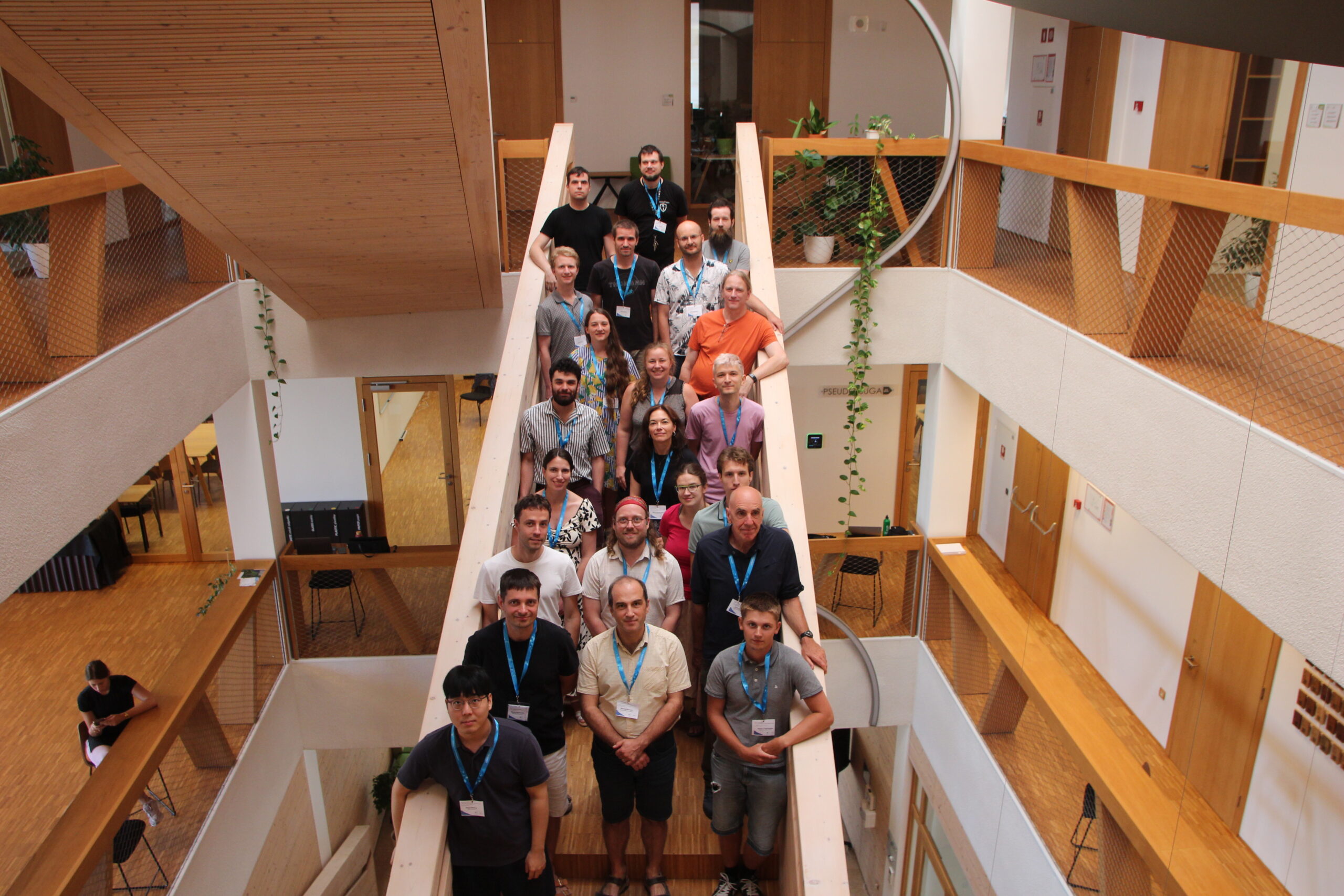
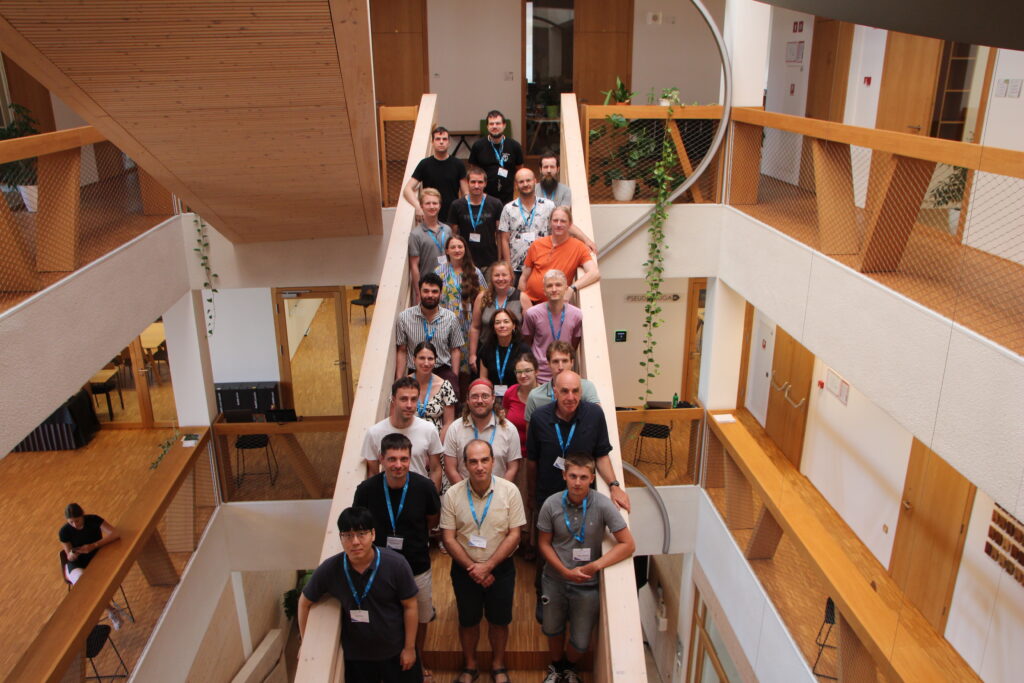
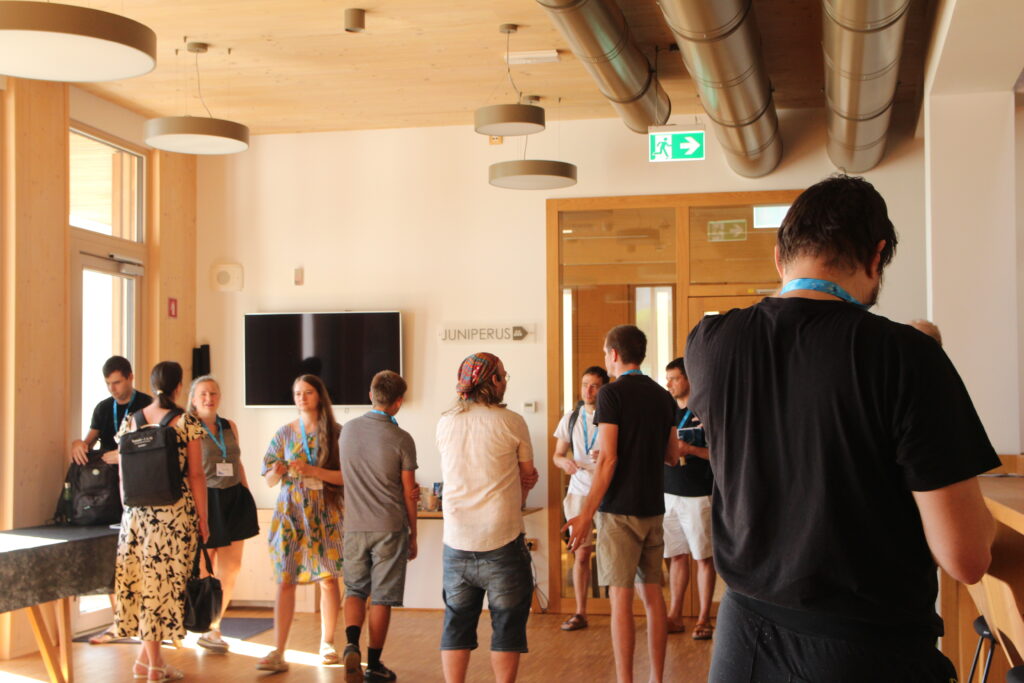
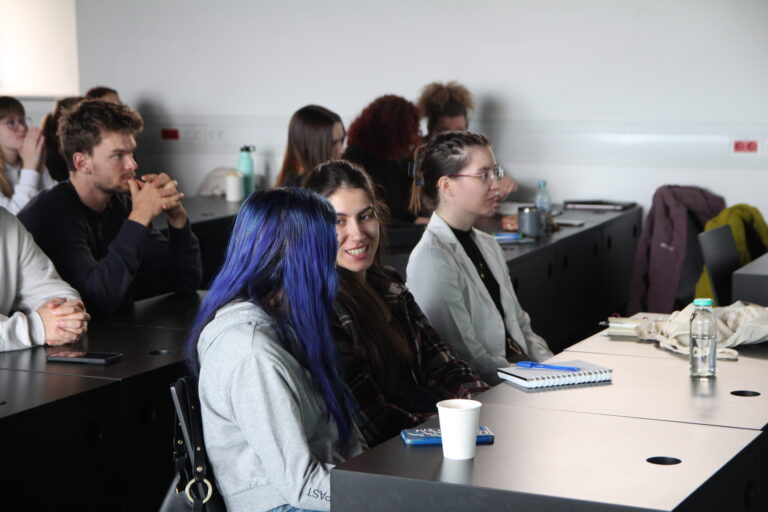
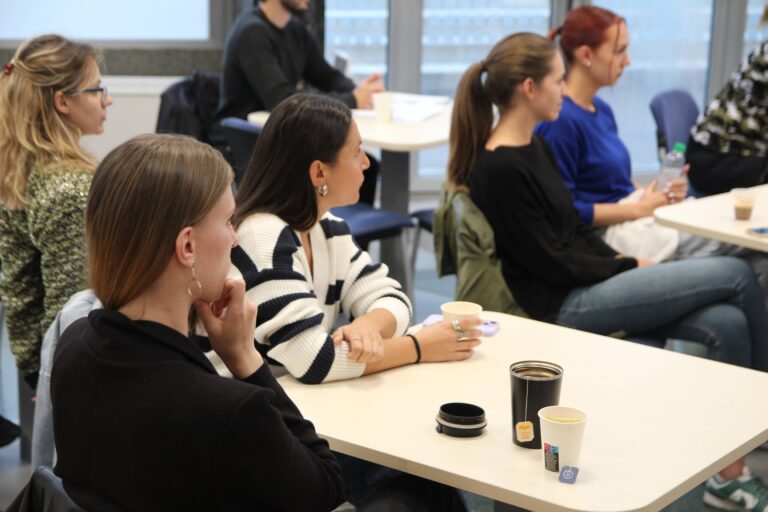
Today marked the beginning of the five-day conference, held at the InnoRenew CoE, in Izola. The conference brings together 22 participants from 11 countries: Canada, the Czech Republic, France, Germany, Italy, Poland, Slovenia, South Korea, Switzerland, the United Kingdom the United States.
The participants were welcomed by the innovative and inviting architectural design of the InnoRenew building before commencing with the programme and planned activities.
The conference is organised by izr. prof. dr. Matjaž Krnc, doc. dr. Jochen Pascal Gollin, and prof. dr. Martin Milanič from UP FAMNIT, in collaboration with UP IAM, InnoRenew CoE.
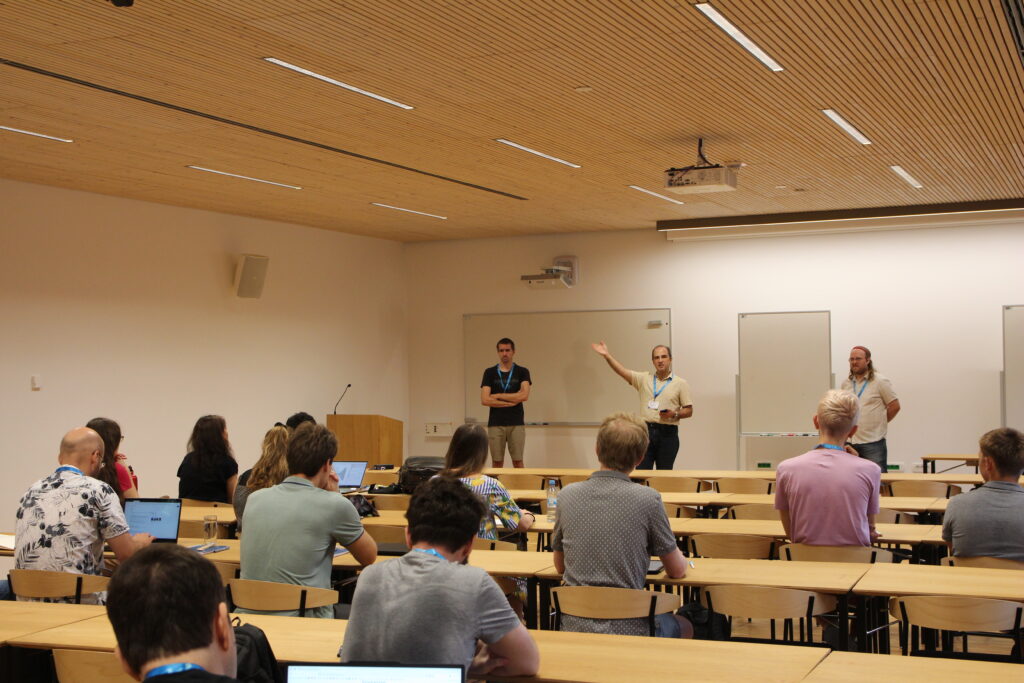
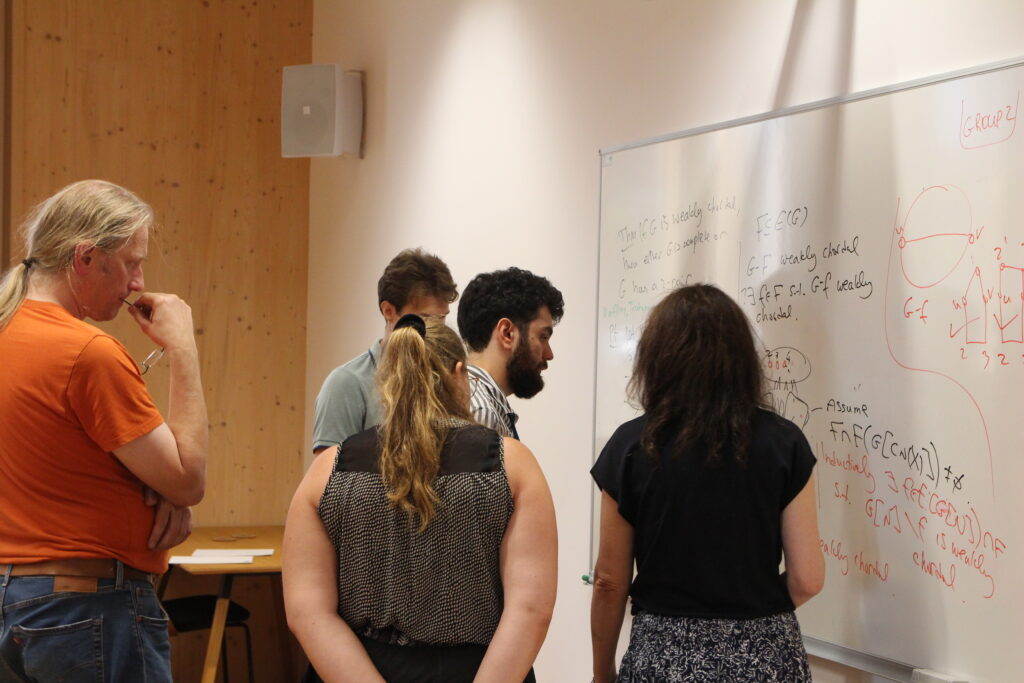
The programme includes lectures, workshops, and collaborative group work. The first day featured an introductory lecture by the organisers, while the following days will include lectures by Viktor Zamaraev from the University of Liverpool, UK, on Set-Defined Graph Classes and χ-Boundedness, as well as Bounding Bandwidth by Maria Chudnovsky and Graph Searches – Structure and Algorithms by Ekkehard Köhler.
We took the opportunity to speak with the organisers about their expectations, goals, and ambitions for this significant research event.
How the workshop was formed?
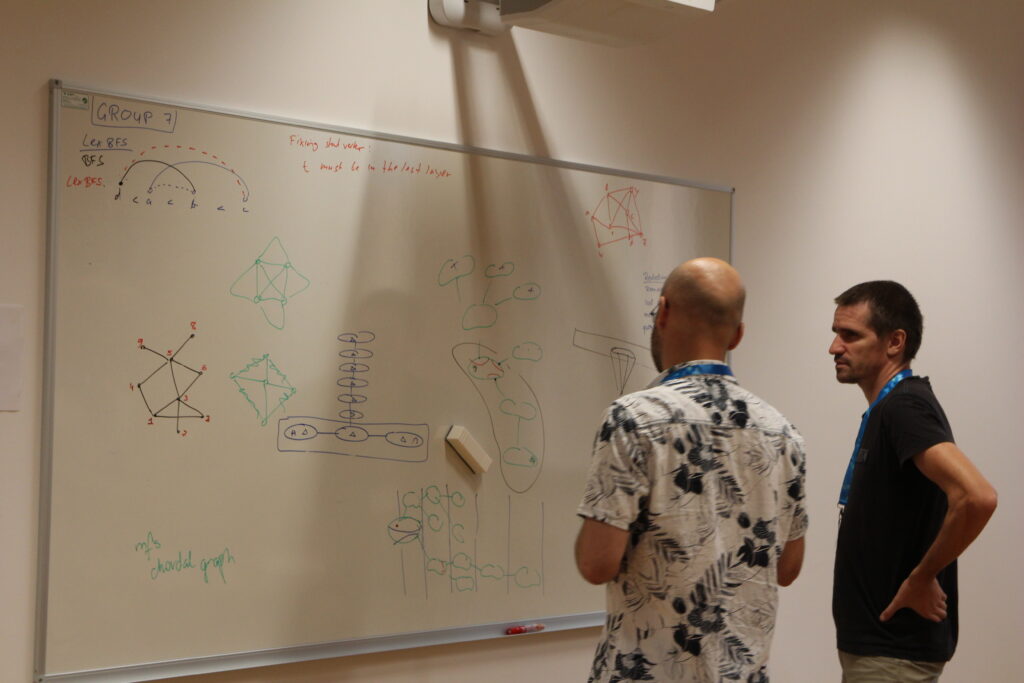
izr. prof. dr. Matjaž Krnc: The format is different from that of a classical conference. We bring together people with similar interests, divide them into small groups, and focus on specific research problems that are interesting, important and challenging. The idea was largely initiated by Martin.
prof. dr. Martin Milanič: We were motivated by a similar research-focused workshop held last August. It was also a five-day event with fewer than 20 participants. This year, we decided to organise the workshop independently, bringing together 22 participants from different parts of the world.
There are only a small number of presentations—three one-hour talks in total. Most of the time is dedicated to focused working groups addressing open research problems. On the first day, participants present various open problems, after which we form groups based on their interests. Throughout the workshop, the groups report on their progress, and we can reorganise them if necessary. This allows us to adapt as the research develops.
How has the workshop been going so far, what is your criteria for success?
doc. dr. Jochen Pascal Gollin: Workshops like this are becoming increasingly popular in our community, and I usually attend one or two each year. One of their biggest benefits is the opportunity to meet other researchers in a different environment. That is why I am particularly happy that we are holding the workshop at InnoRenew. A change of scenery can be very beneficial for productivity.
Of course, we also hope that some of the problems we select will lead to meaningful progress. In the past, workshops like this have often resulted in publications, although completing the research can take another year or more. We have similar hopes for this workshop.
prof. dr. Martin Milanič: These workshops are important because they bring together people with similar interests but different backgrounds. What one person does not know, another might, and this can lead to new strategies for solving problems. Someone may be working on a problem without realising that it has already been studied under a different name, for example. These connections are much easier to make through in-person discussion.
That is why we have deliberately limited the number of presentations and maximised the time available for discussion and collaborative research.
izr. prof. dr. Matjaž Krnc: Even if a workshop does not immediately result in a paper or a finished result, the collaborations and connections formed while working together can lead to new research and future successes.
prof. dr. Martin Milanič: Another important aspect is the balance of participants. Roughly a third are senior researchers, a third are master’s and doctoral students, and a third are early-career postdoctoral researchers. This creates a good environment for younger researchers and students to learn about new concepts, open problems and how research is conducted.