University of Primorska
Faculty of Mathematics, Natural Sciences and Information Technologies
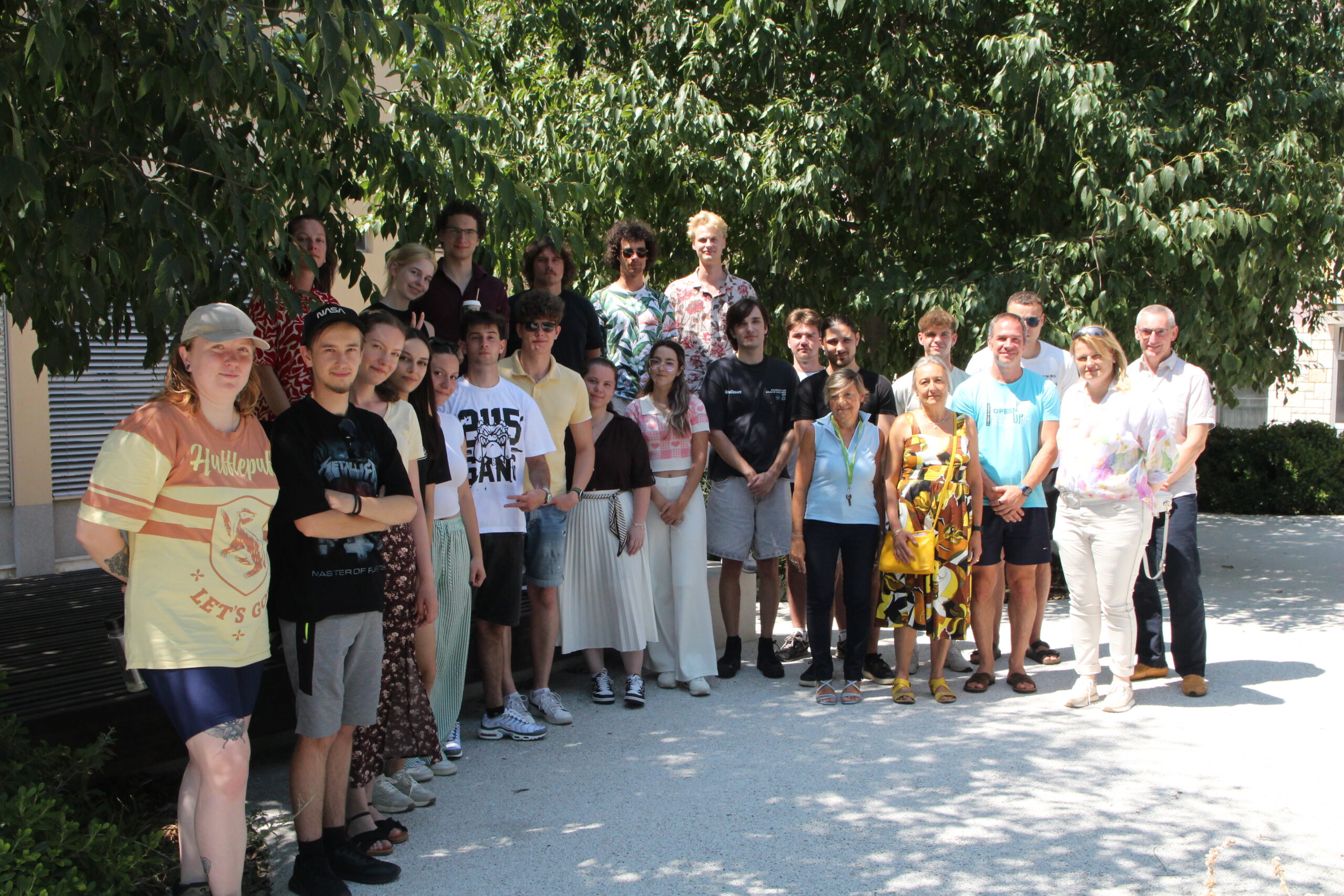
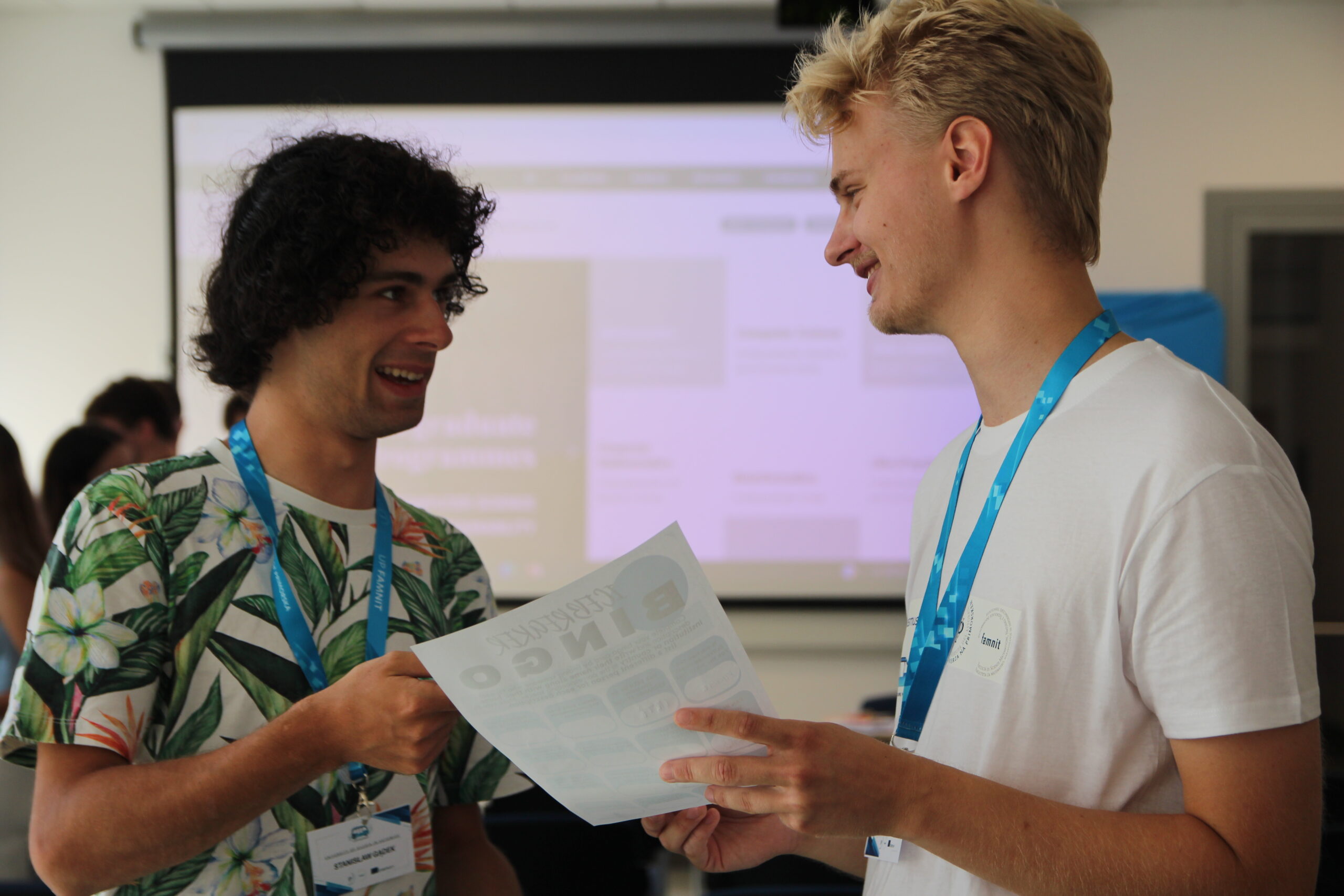
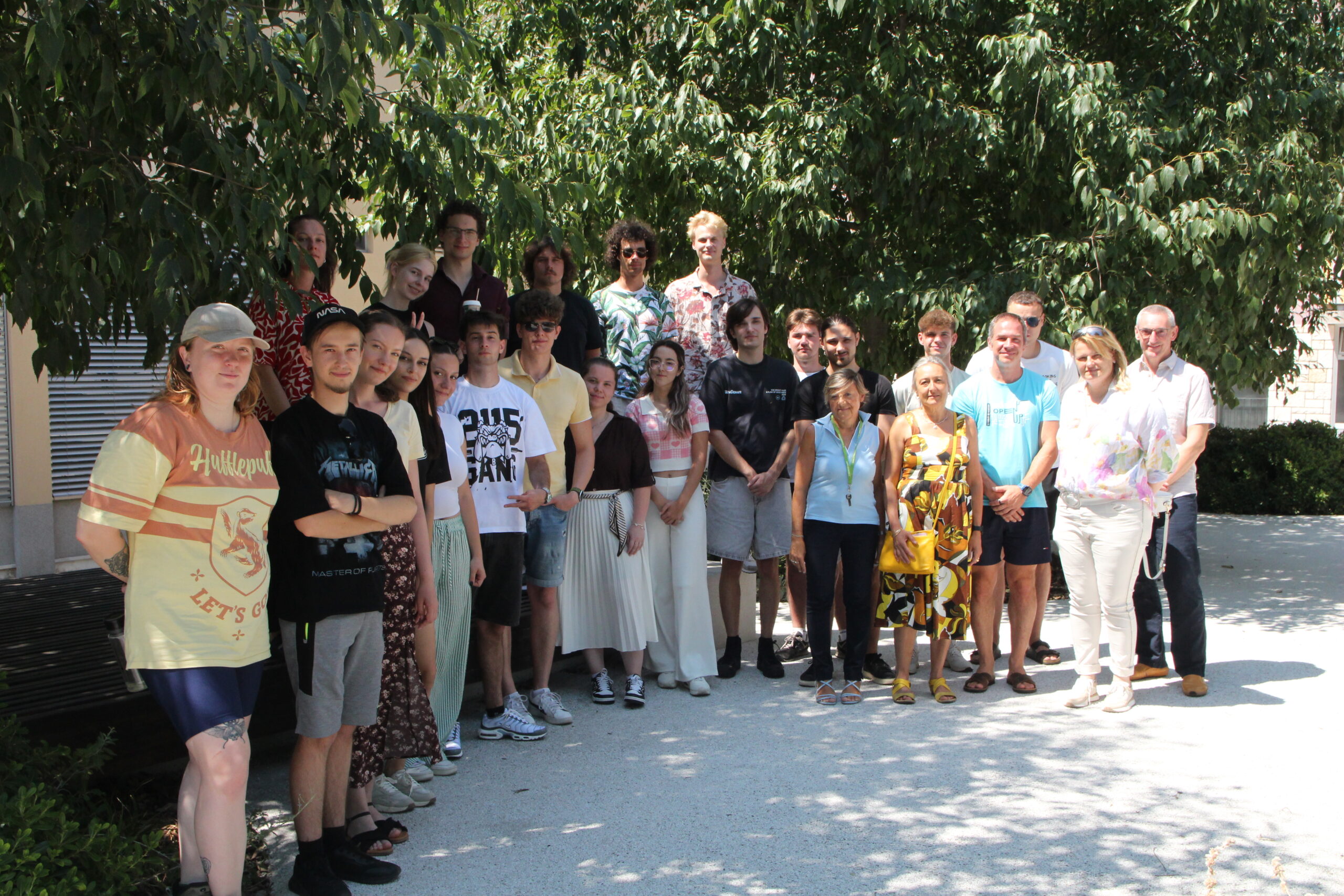
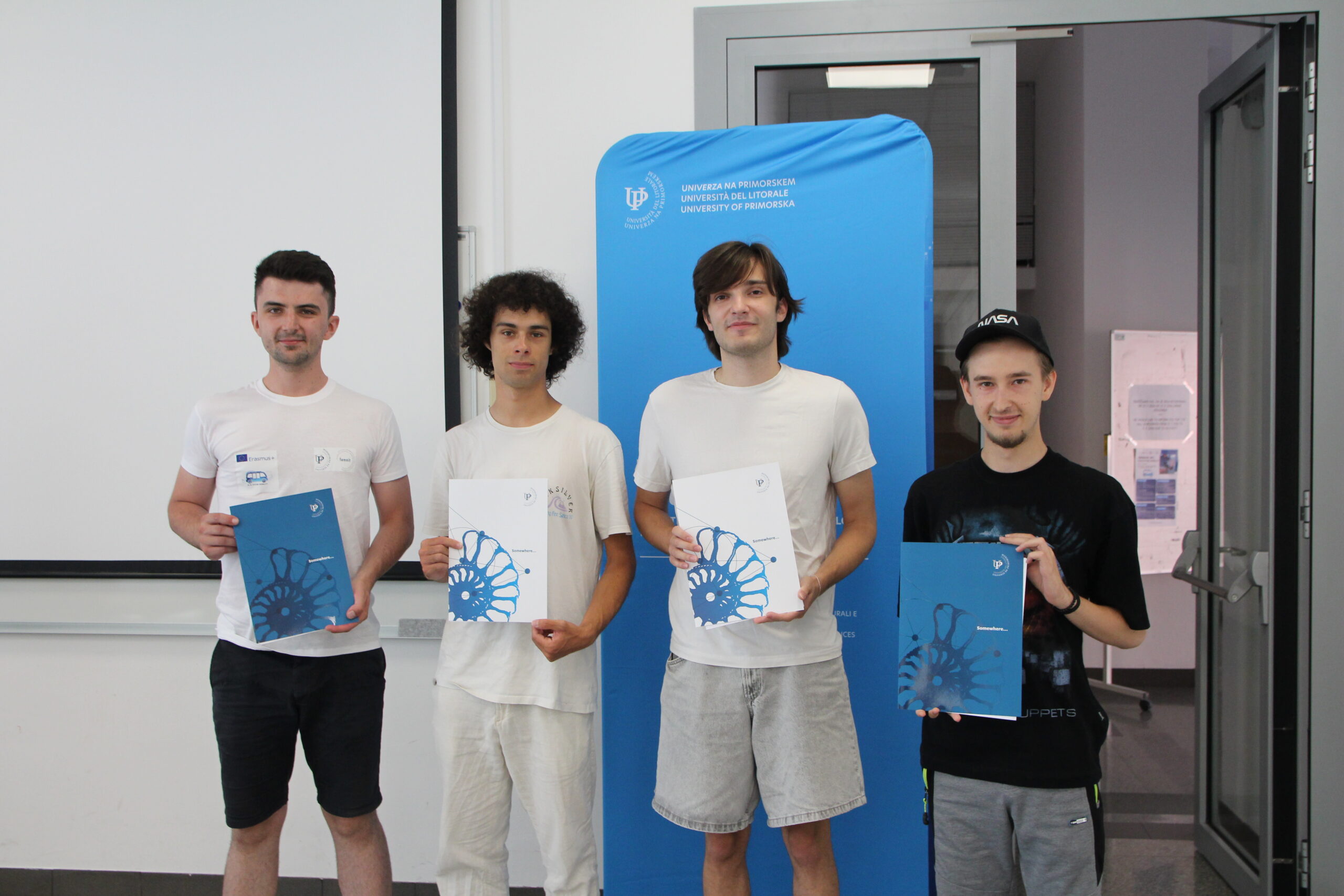
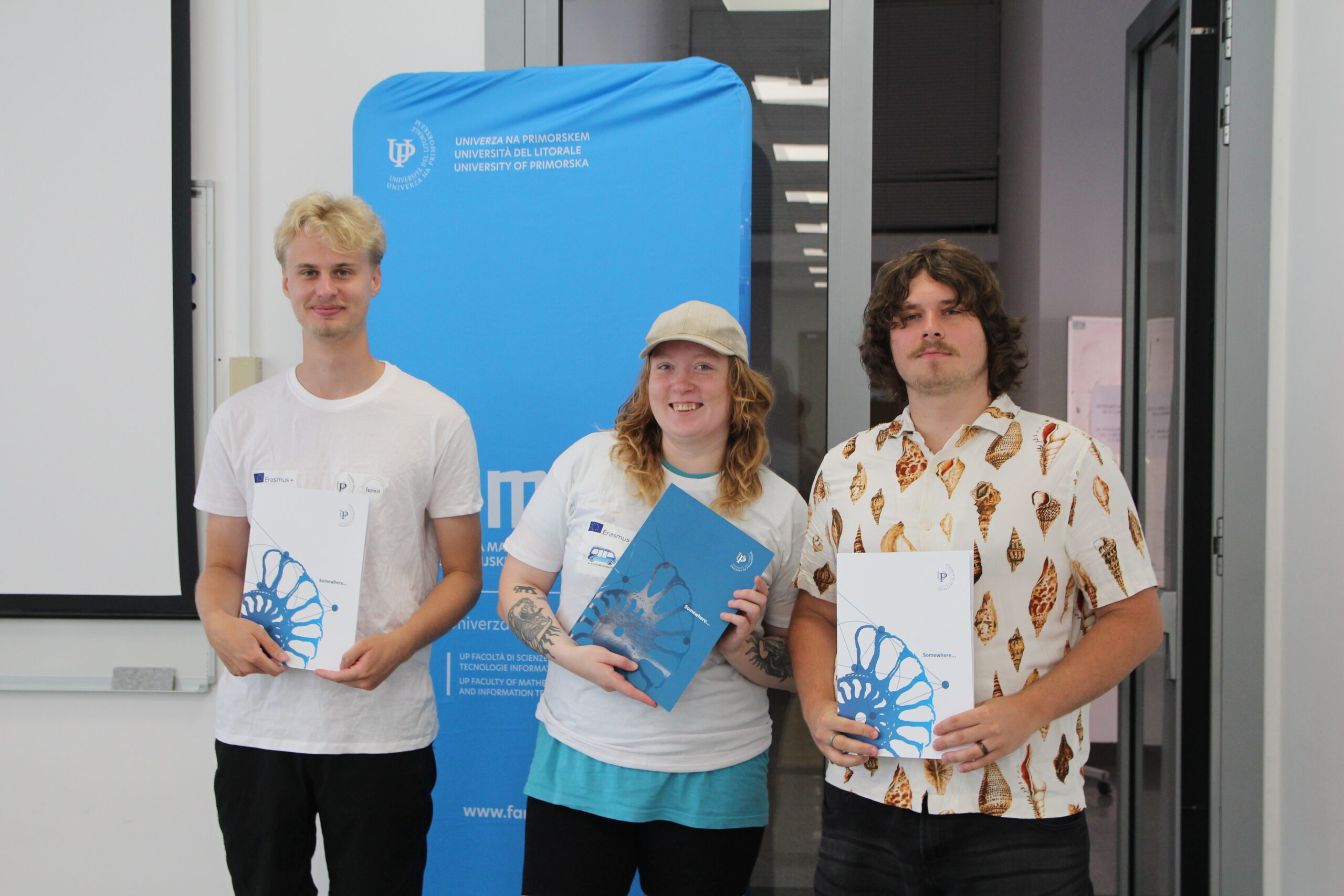
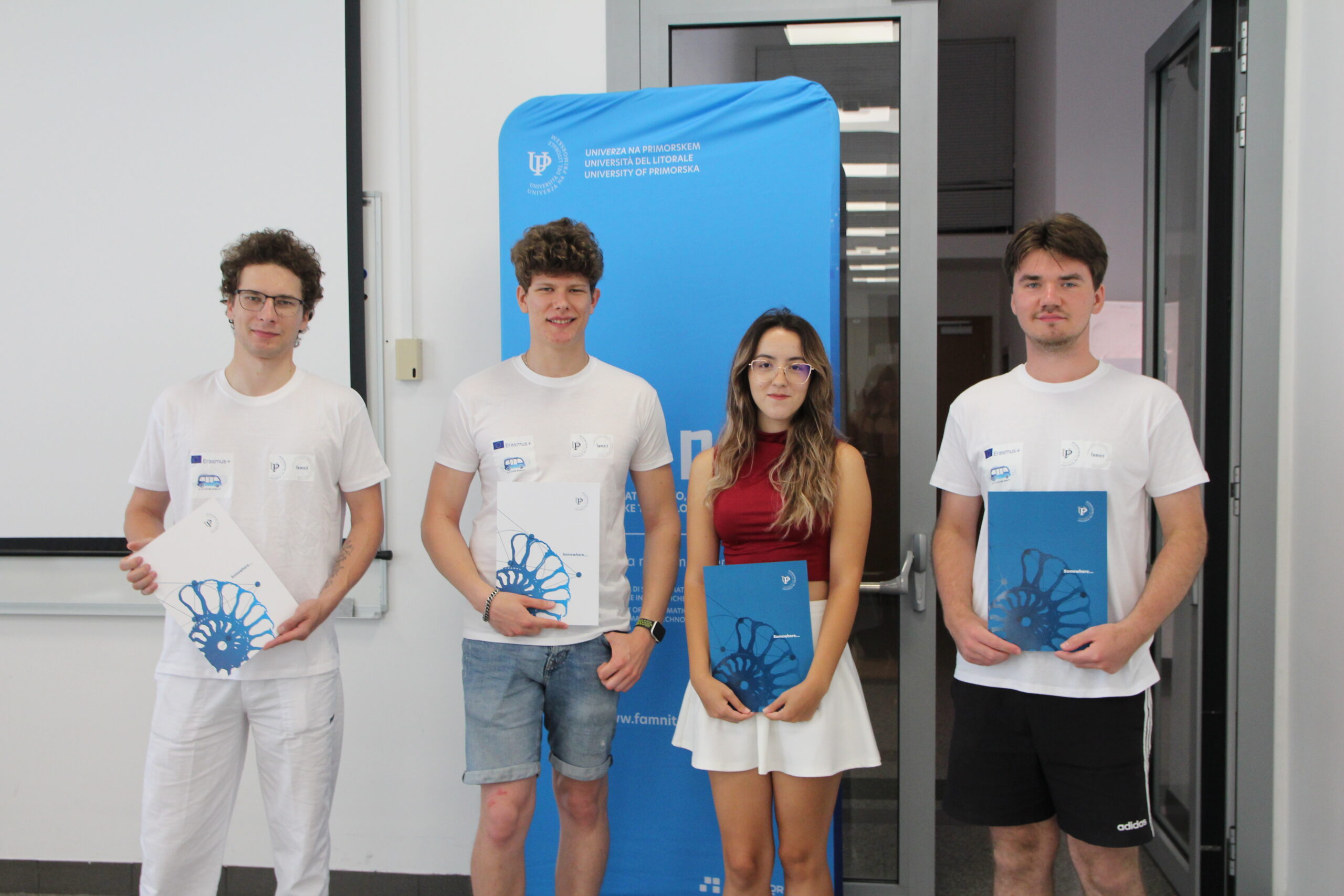
The international Erasmus+ Blended Intensive Programme (BIP) titled “Artificial Intelligence in the Mobility of the Future” was hosted by the Faculty from 27 to 31 July 2026. The programme brought together students and academics from several European universities, providing them with the opportunity to gain deeper insight into current approaches to applying artificial intelligence and data analysis in the field of future mobility.
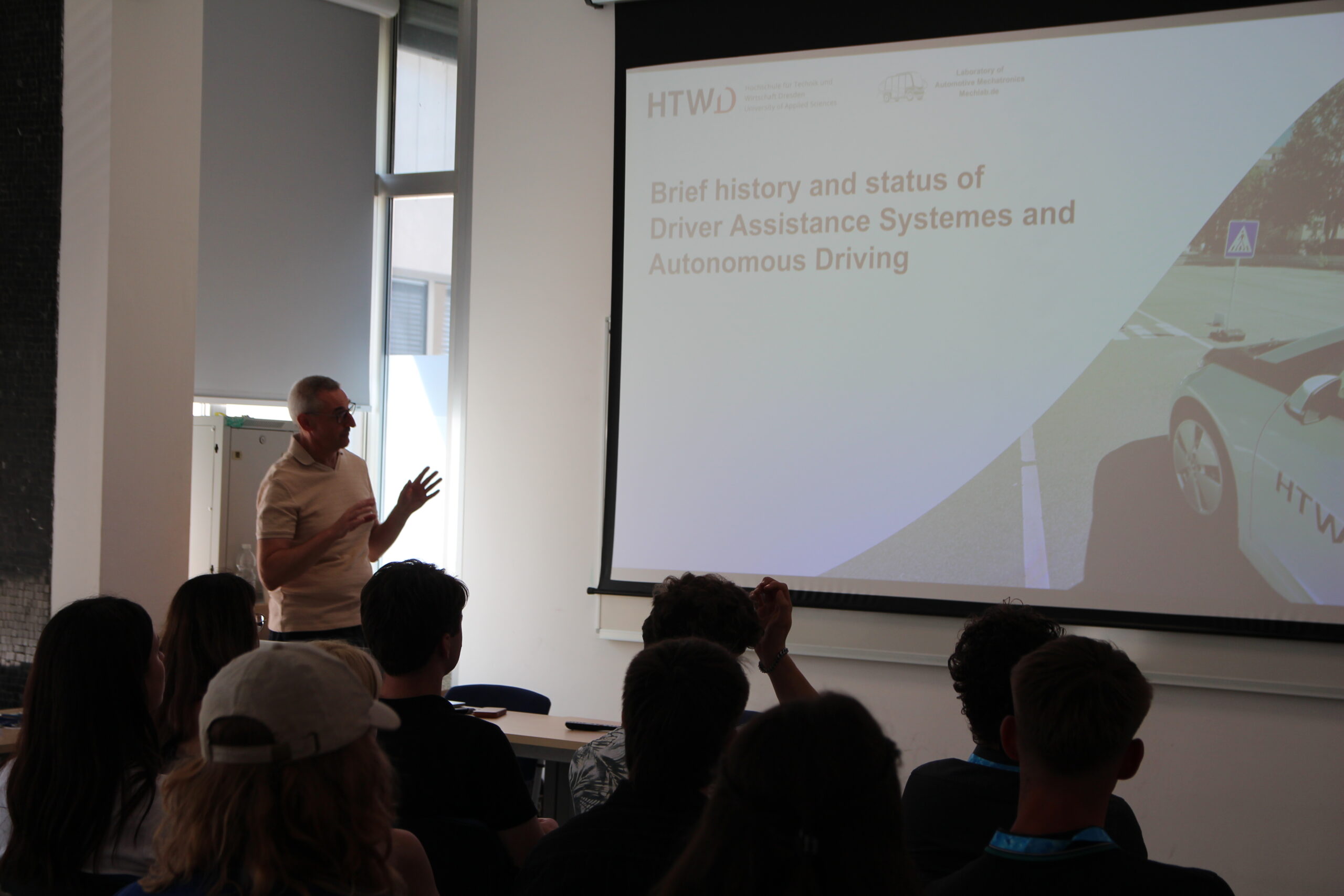
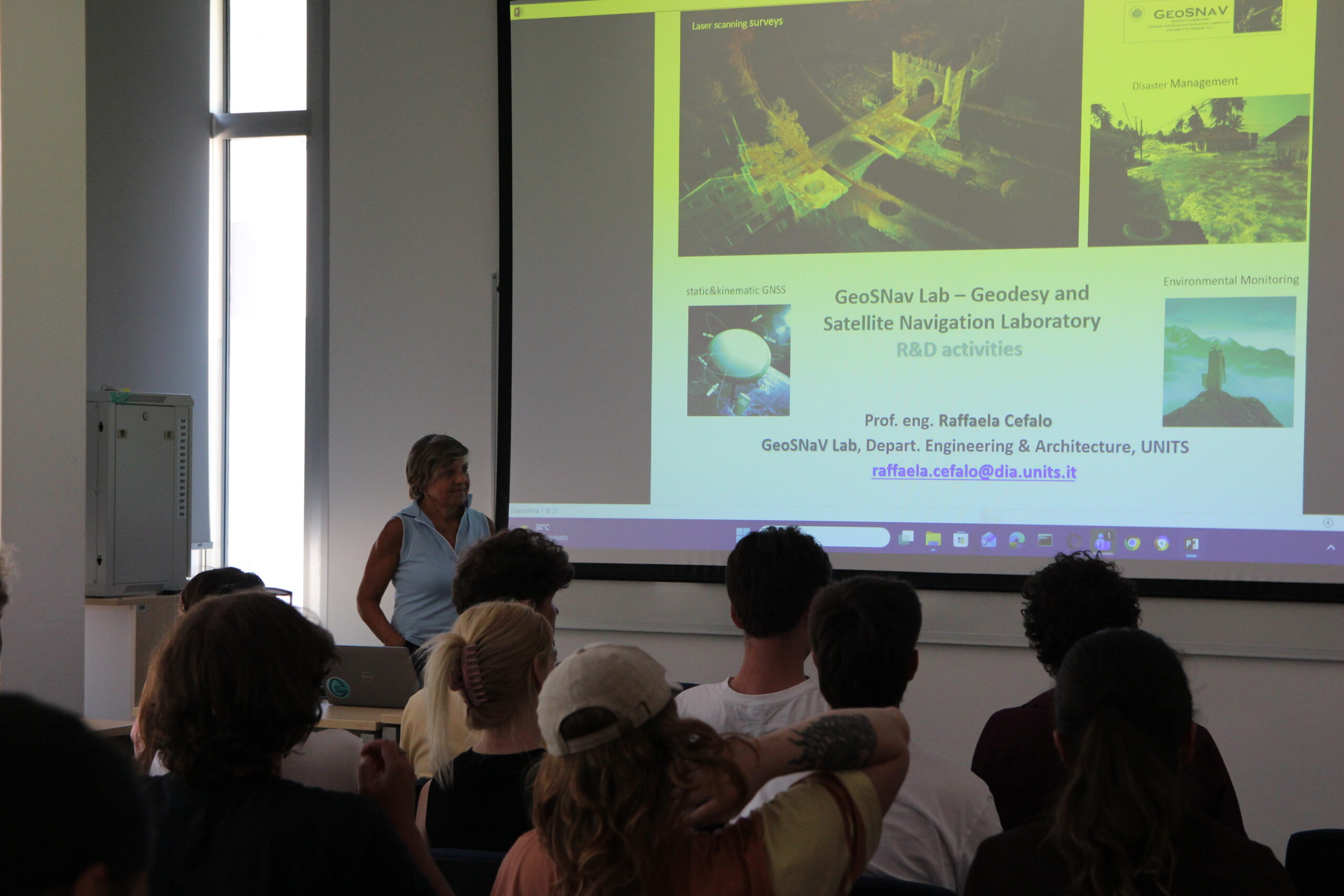
The programme was delivered by Assoc. Prof. Branko Kavšek (University of Primorska, Faculty of Mathematics, Natural Sciences and Information Technologies – UP FAMNIT), Prof. Toralf Trautmann (HTW Dresden – University of Applied Sciences), and Prof. Tomasz Wesołowski (University of Silesia). It was further enriched by guest lectures delivered by Prof. Eric Medvet, Dr Rafaella Cefalo, and Dr Tatiana Sluga (all from the University of Trieste), as well as Polona Pavlovič Prešeren from the Faculty of Civil and Geodetic Engineering at the University of Ljubljana.
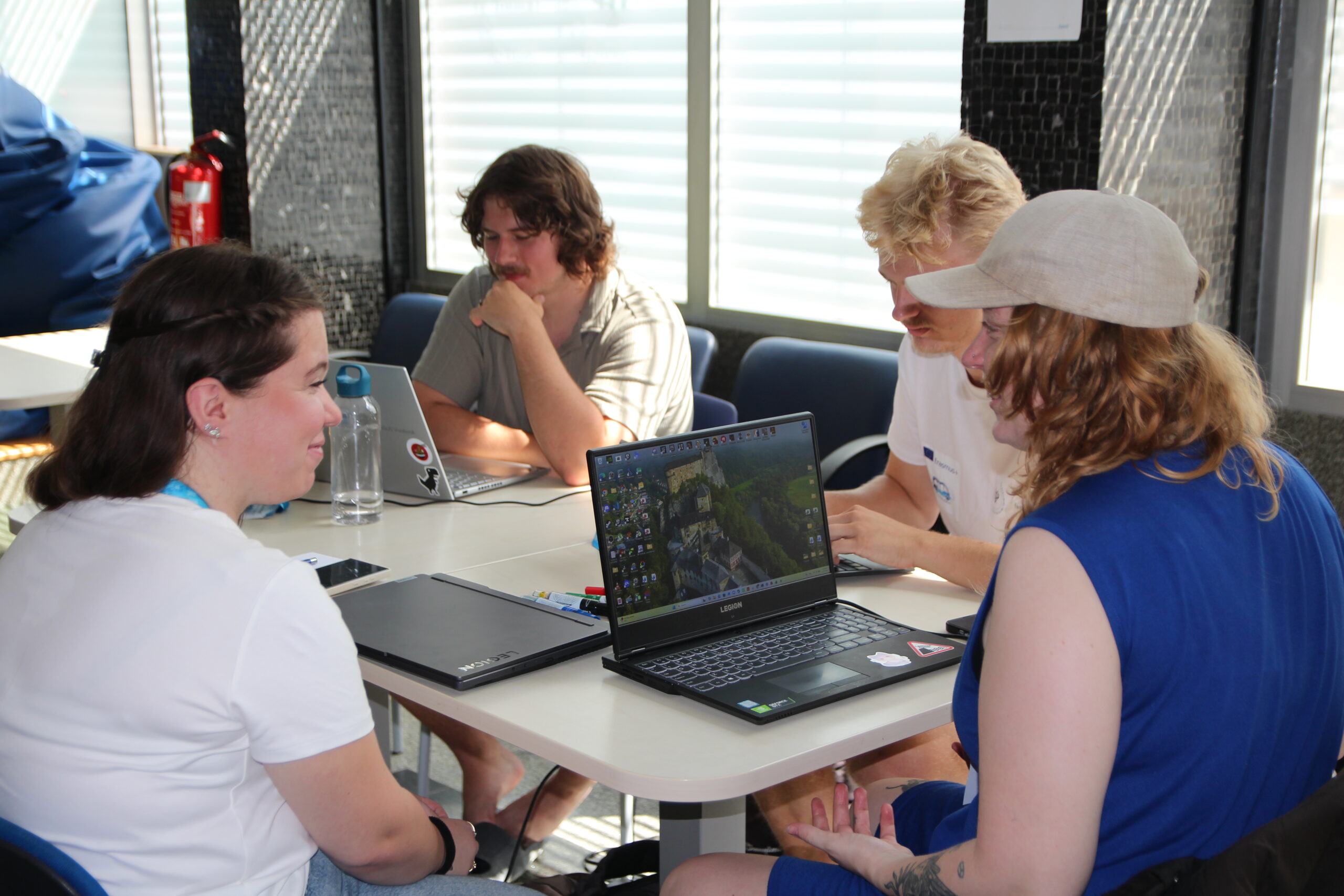
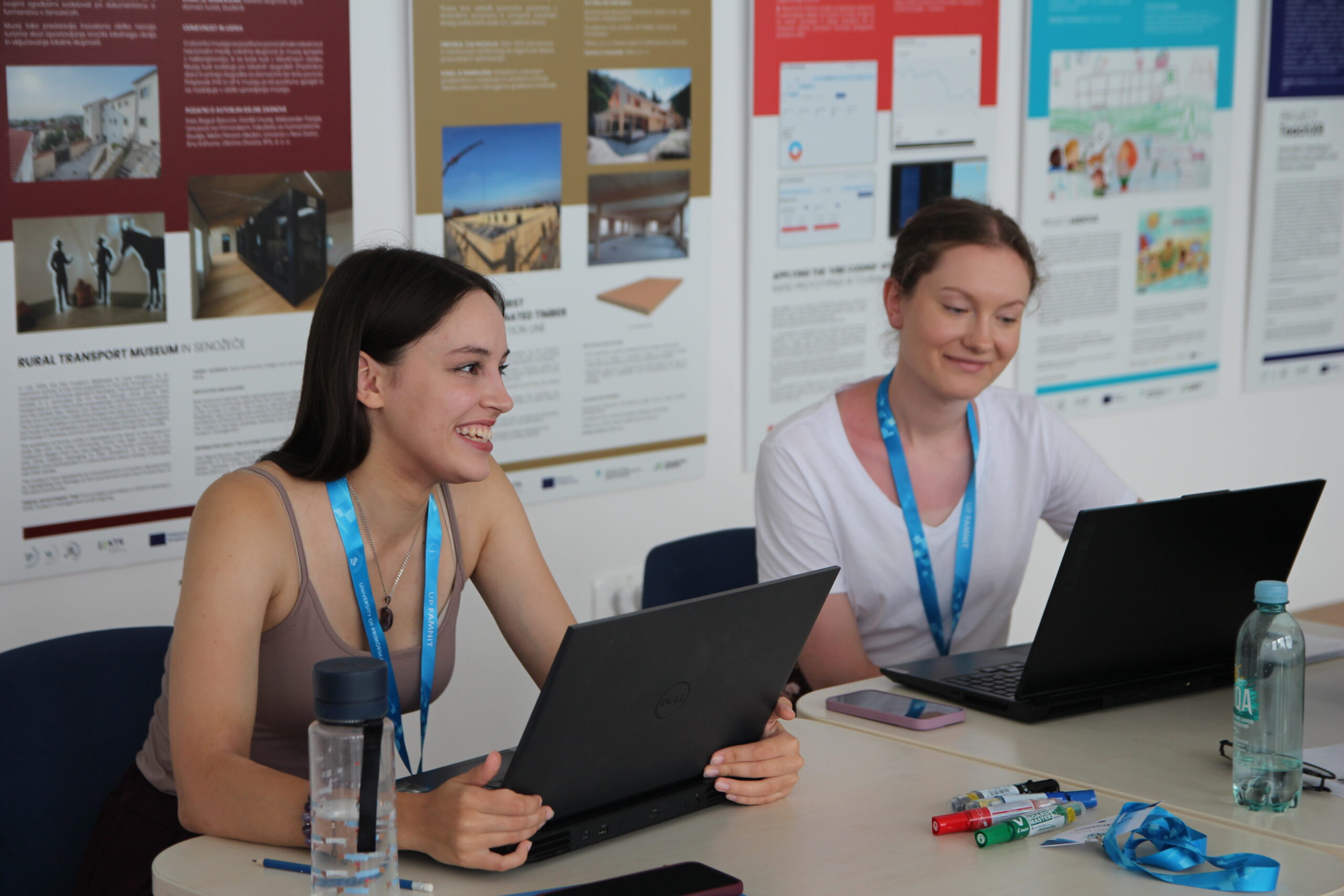
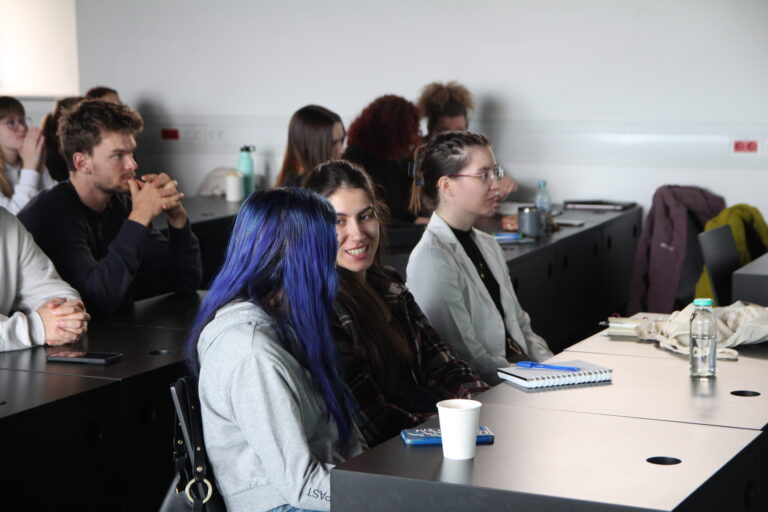
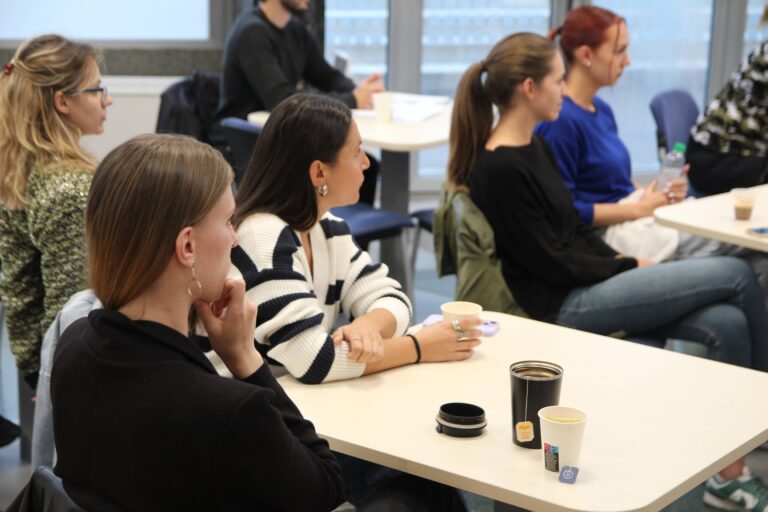
Through a diverse and intensive programme, participants took part in lectures, hands-on workshops, and collaborative group projects, where they expanded their knowledge of artificial intelligence, machine learning, and data analytics. Special emphasis was placed on the application of these technologies in autonomous vehicles and other innovative solutions for future mobility. By working with real-world datasets, students gained valuable practical experience, developed their analytical and research skills, and explored current challenges faced by professionals in this rapidly evolving field. Participants also had the opportunity to explore Koper and its surroundings, while various social activities helped strengthen international connections and encouraged the exchange of experiences among peers.
Michał Szadziewski, a student from the University of Silesia, shared his impressions:
“This is my first Erasmus+ BIP and also my first visit to Slovenia. I am very happy to have the opportunity to be here, learn something new and exciting about artificial intelligence, especially in the field of future mobility. As a mechatronics student, I am looking forward to gaining new knowledge and valuable experience in this beautiful country.”
Katarzyna Kusztal, a PhD student in Computer Science at the University of Silesia, also expressed her enthusiasm:
“I also work in the field of artificial intelligence, but my research mainly focuses on data classification rather than the application of AI in future mobility. I am excited to learn something new here.”
One of the key objectives of the programme was to promote international cooperation, knowledge exchange, and collaboration among students from different academic disciplines. The participation of distinguished national and international experts provided students with valuable insights into the latest research approaches while creating opportunities to establish new professional connections.
Reflecting on the programme, Prof. Toralf Trautmann emphasized the value of such international initiatives:
“I can say that the programme was very successful. The groups worked efficiently and effectively, and they collaborated exceptionally well. Participants shared their knowledge with one another, which was reflected in the high quality of the final results. I also learned a great deal myself, as the presentations delivered by the individual groups were both interesting and insightful. Each group addressed a different challenge, making it particularly fascinating to observe the variety of approaches and solutions. I am convinced that the participants enjoyed the entire experience, especially the time they spent in Koper.”
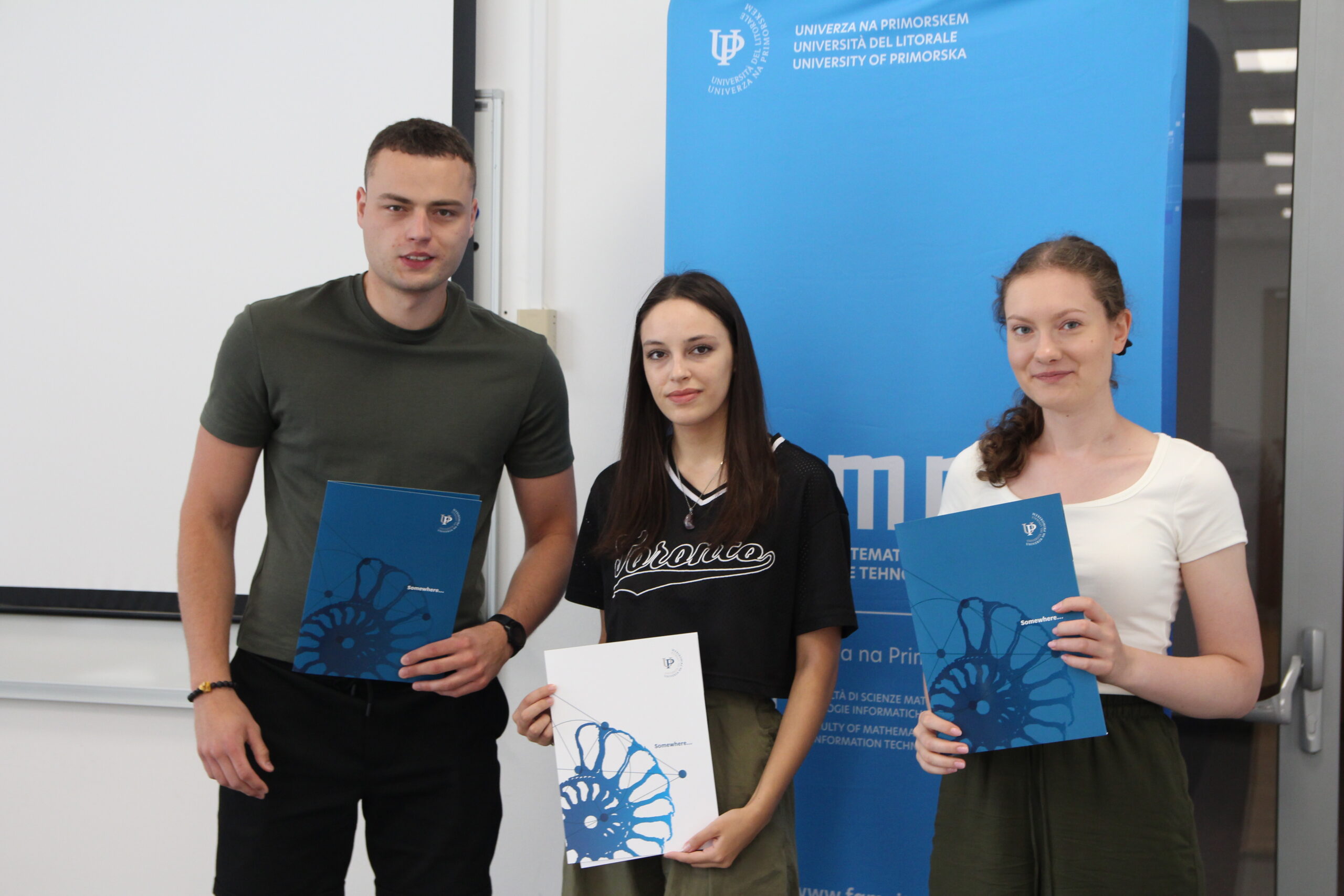
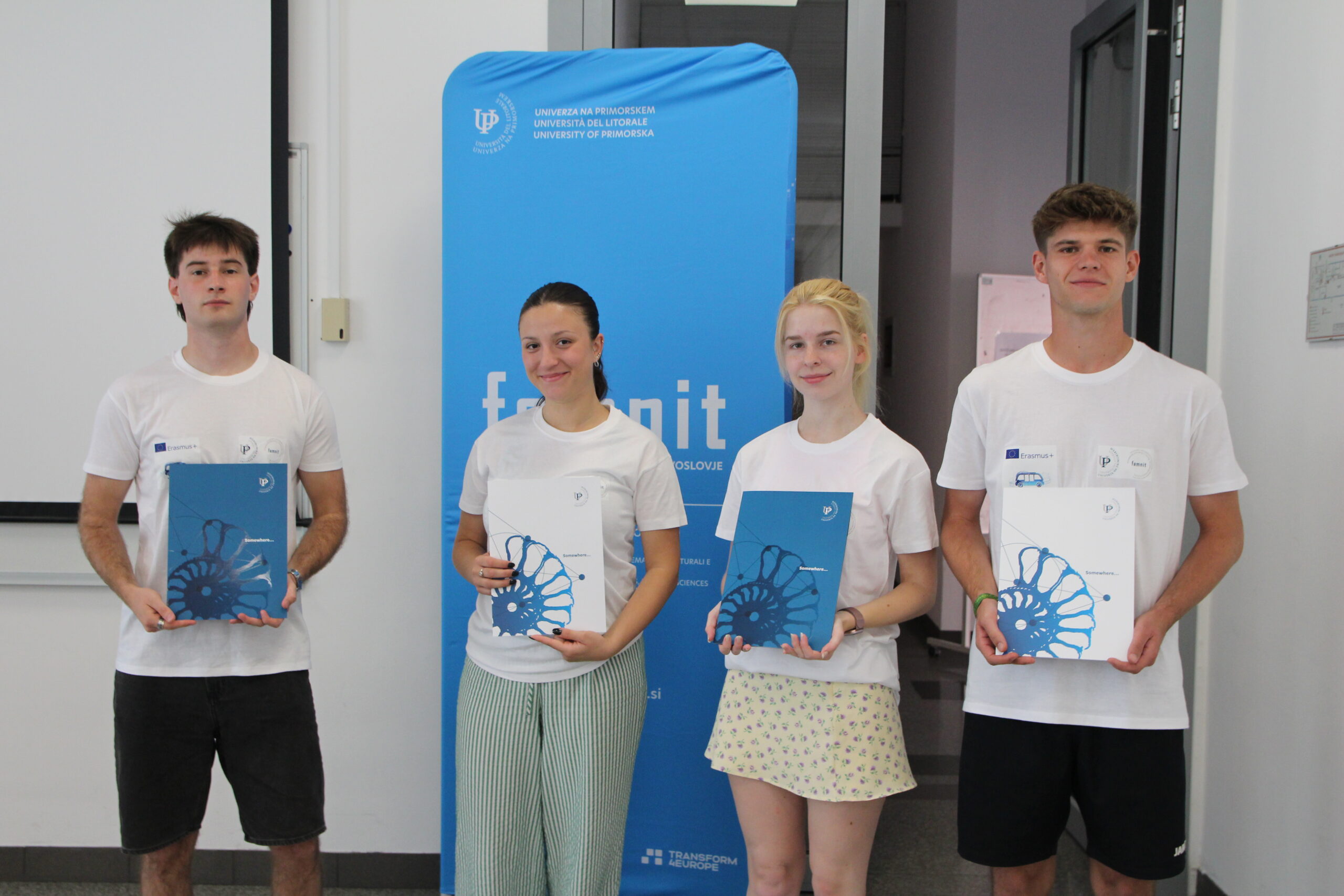
The programme brought together students from Vytautas Magnus University (Lithuania), HTW Dresden – University of Applied Sciences (Germany), the University of Silesia in Katowice (Poland), and UP FAMNIT (Slovenia). In addition to the academic activities, participants highlighted the importance of the international environment, the exchange of experiences, and the opportunity to learn about different cultures.
Hasib Kolaković, a student at UP FAMNIT, also highlighted the benefits of participating in the programme:
“Participating in the BIP programme allowed me to learn and work in areas that truly inspire me, particularly machine learning and computer vision. At the same time, I met many wonderful people from Lithuania, Germany, and Poland, and formed friendships that I believe will last a lifetime.”
The Erasmus+ Blended Intensive Programme once again demonstrated that international collaboration provides an excellent opportunity to connect academic knowledge with practical experience. Participants returned home with new professional skills, valuable international connections, and numerous ideas for future cooperation in the fields of artificial intelligence and future mobility.