University of Primorska
Faculty of Mathematics, Natural Sciences and Information Technologies
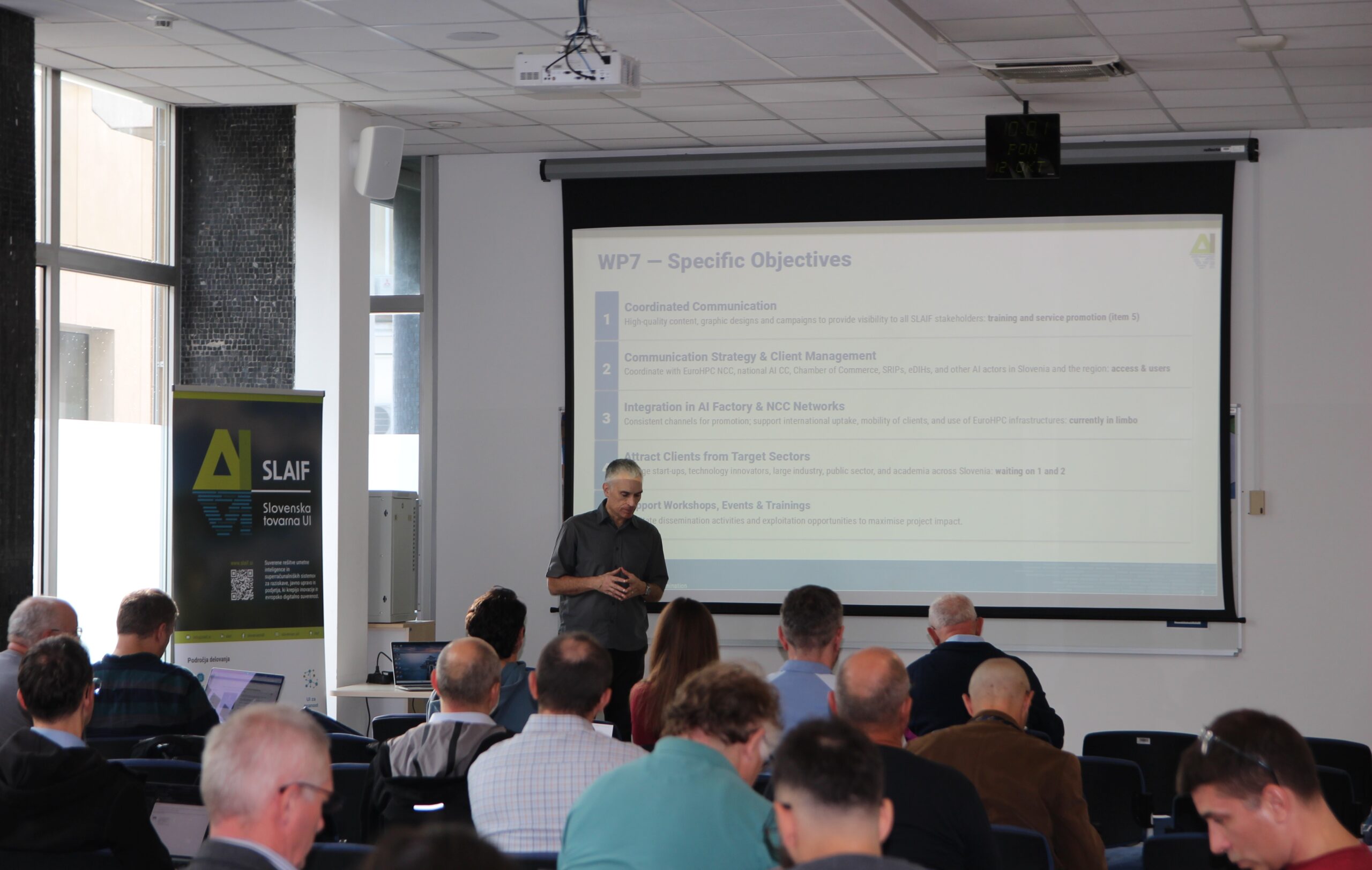
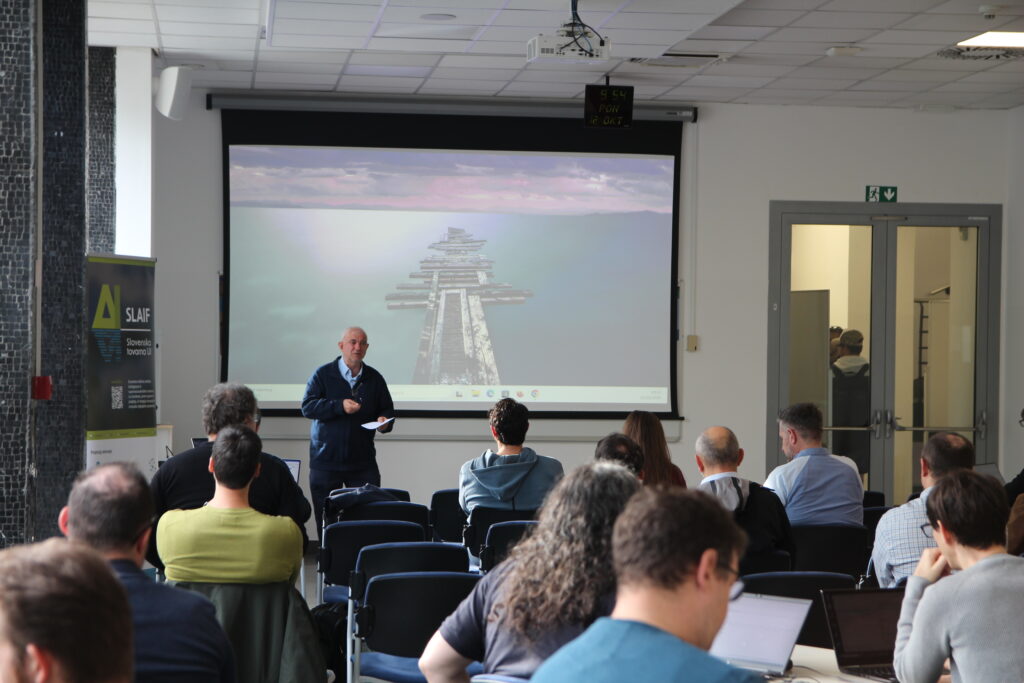
The past two days brought together researchers, academic institutions and industry representatives for the SLAIF General Assembly and Industry Day, hosted by the University of Primorska’s Faculty of Mathematics, Natural Sciences and Information Technologies (UP FAMNIT).
SLAIF (Slovenian AI Factory) is a national initiative that aims to make artificial intelligence (AI) more accessible to researchers, businesses and public institutions. It provides access to computing resources, expert knowledge and training to help users develop, test and implement AI solutions. By connecting universities, research organisations, companies and public partners, SLAIF seeks to encourage collaboration and support the development of innovative AI technologies in Slovenia.
The initiative focuses on several key areas, including research, healthcare, biotechnology, the green transition and digital society. Its goal is to help organisations make practical use of AI, support the development of new ideas and strengthen Slovenia’s position in the European AI ecosystem.
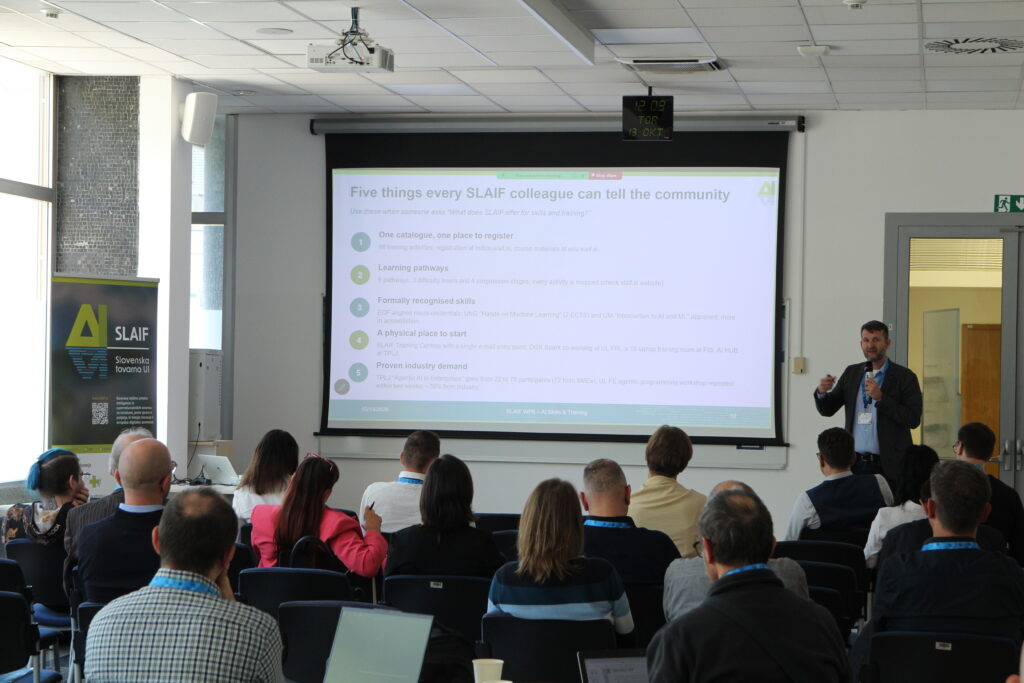
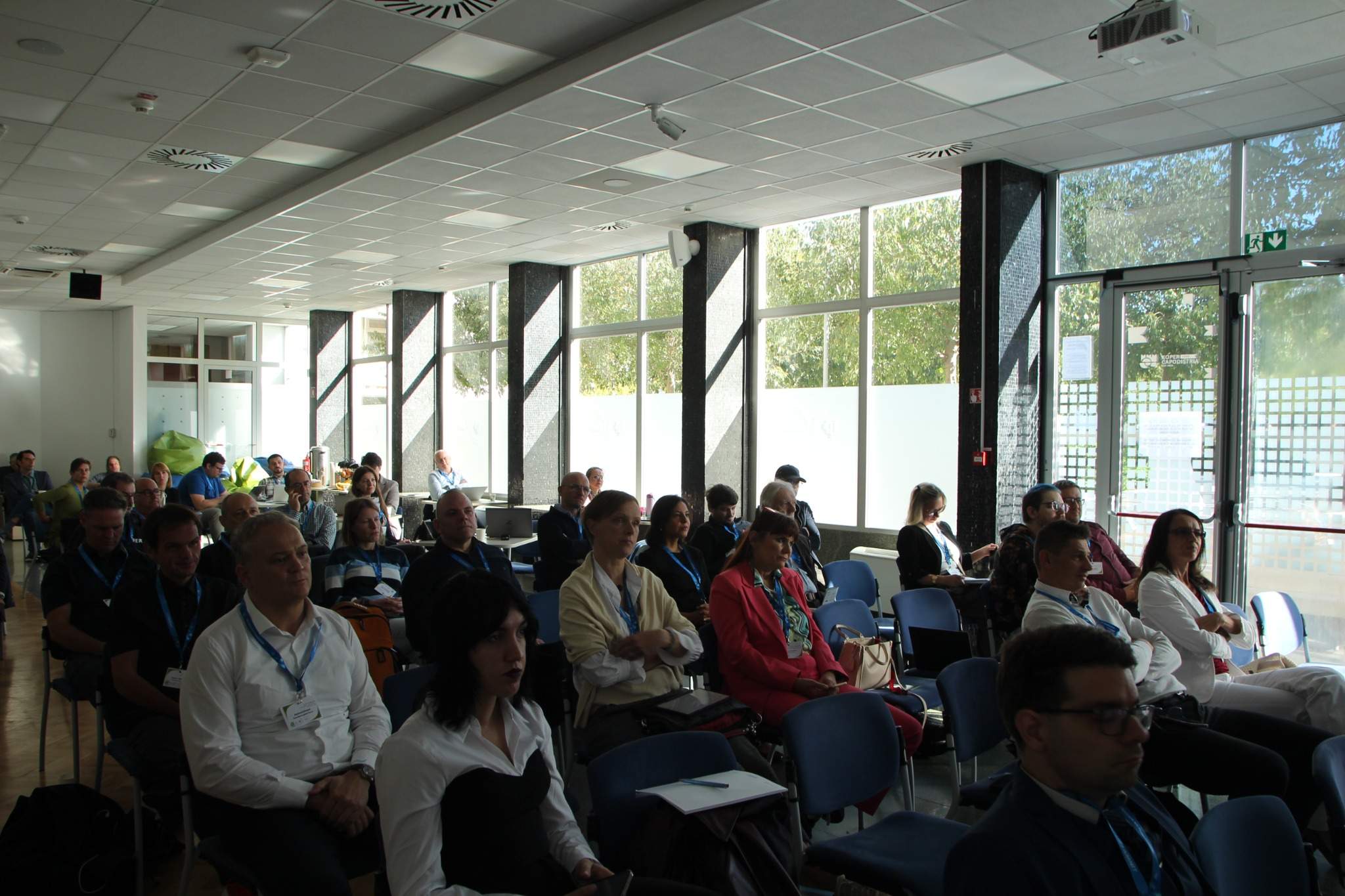
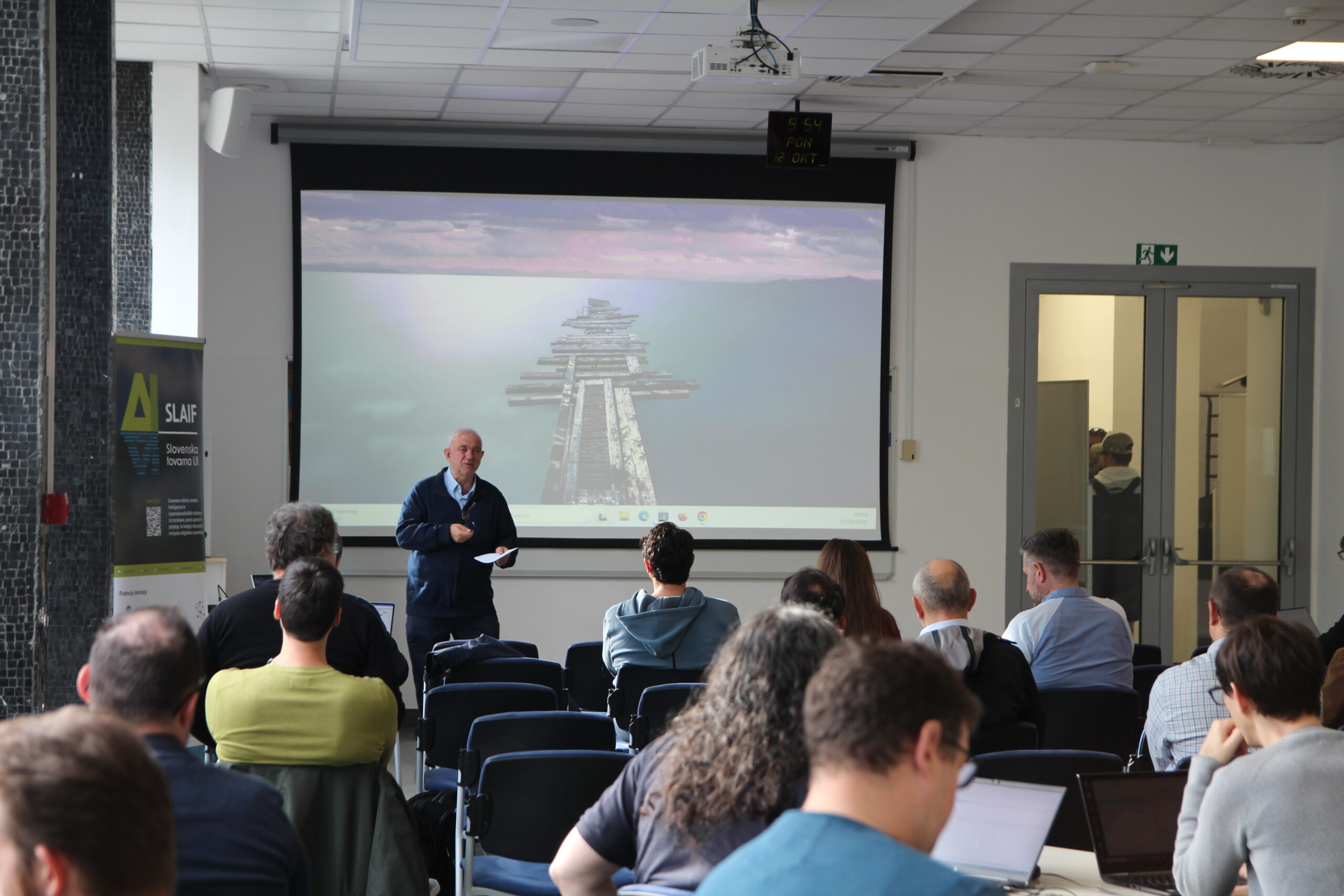
The first day of the event was dedicated to internal discussions, coordination and planning future activities. The second day, the Industry Day, welcomed representatives from companies and other organisations for an introduction to SLAIF, its services and the opportunities it offers for collaboration between research and industry.
The programme featured presentations by representatives of the University of Primorska (UP), the SLAIF coordinator from the Institute of Information Science (IZUM), and researchers from the Jožef Stefan Institute (IJS), the University of Maribor (UM) and the University of Ljubljana (UL). They introduced the project, its objectives and the support available to businesses interested in exploring AI solutions.
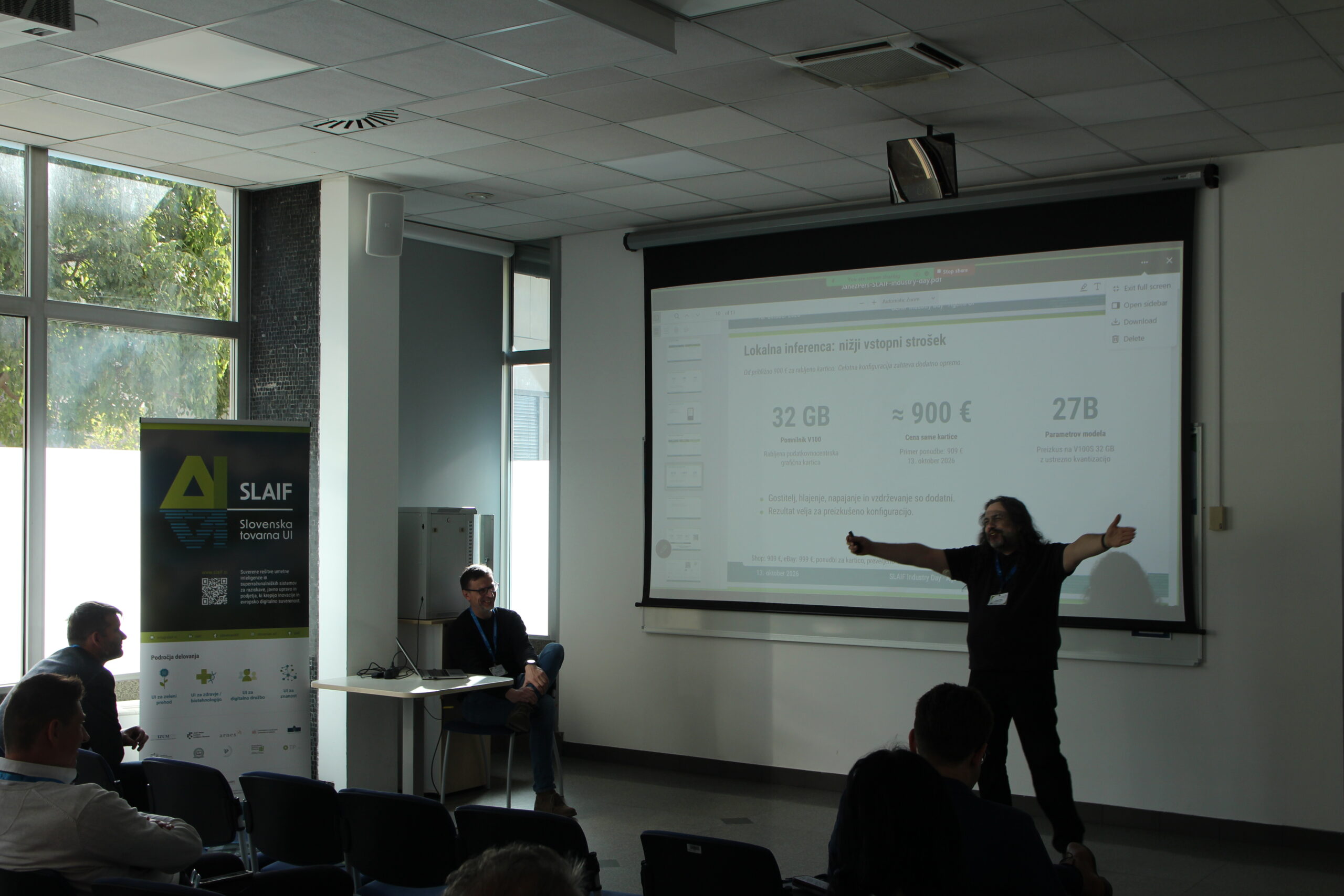
Participants also learned about the AI Factory Training Centre at UP and explored a range of practical applications of artificial intelligence. These included tools for finding information in documents, AI agents that assist with software development, the early identification of mental health risks and the automation of work processes. The programme also presented examples of AI in business, including document analysis, virtual interviews, and the use of AI and humanoid robots to automate tasks.
The event concluded with an overview of upcoming SLAIF activities and opportunities for further engagement, highlighting the importance of connecting research expertise with real-world needs.
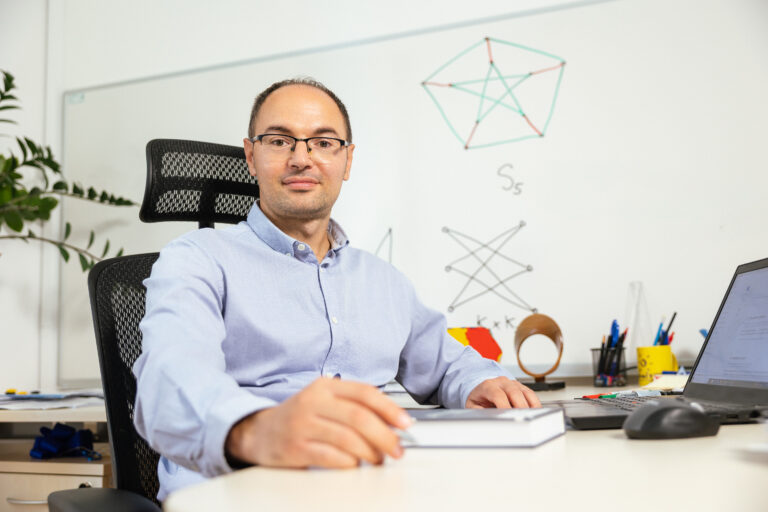
To learn more about the event and the role of UP FAMNIT in the SLAIF initiative, we spoke with the faculty’s representative, prof. dr. Marko Tkalčič, who shared his perspective on the project and its potential impact.
1. How would you introduce the SLAIF project to someone who is not yet familiar with it? What are its main objectives, and how can it contribute to the development and wider adoption of artificial intelligence in Slovenia?
The SLAIF project aims to transfer knowledge and practices from Slovenian experts in the field of artificial intelligence (AI) to businesses. Slovenia has many outstanding researchers and experts who are at the forefront of AI worldwide. At the same time, businesses, especially small and medium-sized enterprises, have a great need for AI-powered solutions, and the necessary expertise is within reach. The SLAIF project is specifically funded to support the Slovenian economy by providing infrastructure, training, services and consultancy. The consortium brings together partners with exceptional expertise, and I dare say that there is practically no major area of AI that is not covered by at least one of the partners. The website is an excellent starting point for exploring what the SLAIF project has to offer. SLAIF — Slovenian AI Factory
2. What is the role of the University of Primorska, particularly UP FAMNIT, in the SLAIF project? Which areas are you involved in, and how do you contribute to achieving the project’s objectives?
At the University of Primorska, we are very proud to be part of a consortium of leading AI experts in Slovenia. UP plays an important role in the consortium by providing one of the most important and sought-after services for businesses, namely RAG, which is being developed by the group led by Prof. Dr Jernej Vičič. In addition, we are an important provider of training. We also serve as a regional centre, or a so-called regional hub, with one of the SLAIF Training Centres, where we offer businesses expertise and infrastructure to test AI solutions tailored to their needs. The Training Centre is led by Assist. Prof. Dr Domen Šoberl. Last but not least, UP is the leading partner in the consortium in the area of AI ethics, as Prof. Dr Ernest Ženko heads a dedicated group addressing ethical issues within the SLAIF consortium.
3. At the beginning of this week, UP FAMNIT hosted the SLAIF General Assembly and Industry Days. What is the significance of such events for the development of the project, connecting the research community with industry, and transferring knowledge into practice? How did the meeting unfold, and what were its key highlights?
These are two different events. The SLAIF General Assembly is one of the project’s regular major consortium meetings. Since the consortium is relatively large, there are few opportunities for all of us to meet in person. I was particularly pleased that the event extended beyond the planned schedule and continued late into the evening, reflecting the engagement of the partners. At UP FAMNIT, we provided an excellent environment in which the consortium partners could focus on addressing challenges and planning future activities.
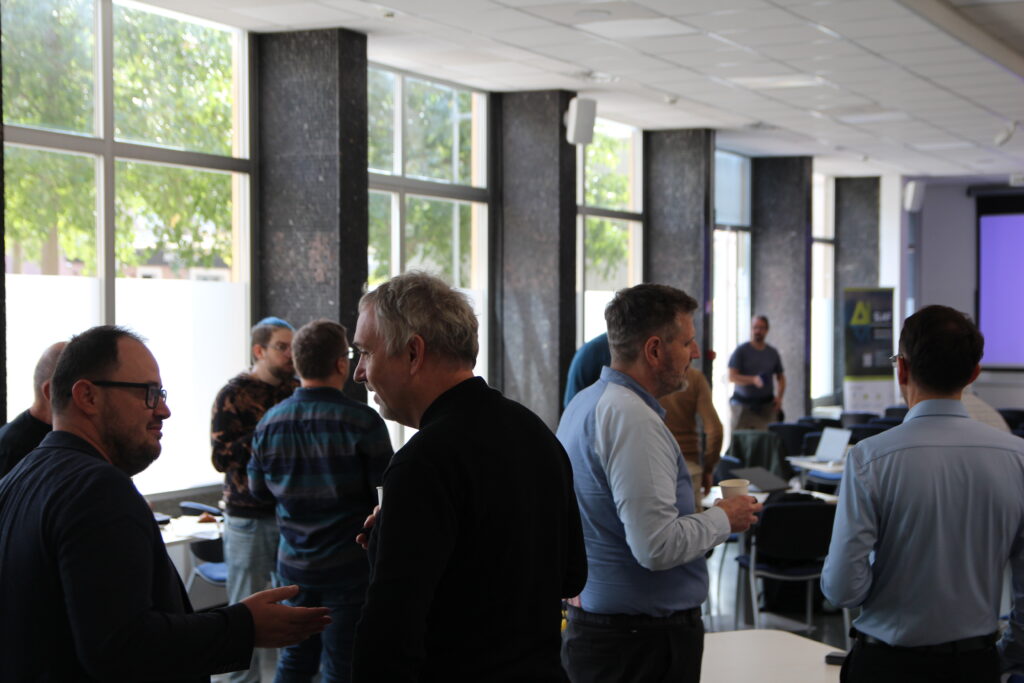
Similarly, UP FAMNIT did an excellent job organising the open Industry Day, where consortium partners and business representatives exchanged challenges and ideas and built connections. During individual conversations and networking, company representatives expressed their satisfaction with the event and highlighted a range of challenges they face. Some of these were already familiar to us at SLAIF, while others were new to us. This makes us very happy, as we are strongly committed to reducing the perceived gap between academia and industry and adapting our priorities to focus on solutions that are useful to businesses.