University of Primorska
Faculty of Mathematics, Natural Sciences and Information Technologies
The European Aquaculture Society (EAS) continues to foster the growth and development of the aquaculture sector through its flagship event, Aquaculture Europe 2026.
From the 28 September to 1 October our capital will be hosting the European Aquaculture Society’s 50th anniversary edition of its annual conference, Aquaculture Europe, at the Gospodarsko Razstavišče Exhibition and Congress Centre.
At the heart of the European Aquaculture Society’s mission is the ambition to bring together people working across marine and freshwater aquaculture, facilitate the sharing and dissemination of knowledge, promote multidisciplinary research, and encourage collaboration between government, scientific and commercial organisations, and individuals. Aquaculture Europe 2026 puts this mission into practice by creating a platform for experts and stakeholders to exchange knowledge, build new connections and explore opportunities for collaboration across the sector.
This year’s conference in Ljubljana is particularly well positioned to support this vision. Located at the crossroads of Central Europe, Slovenia provides a natural meeting point for experts, researchers and industry representatives from Austria, Croatia, Hungary, Italy and beyond, with up to 80 countries represented in total. By bringing the international aquaculture community to the region, AE2026 aims not only to exchange knowledge and strengthen cooperation, but also to support the further development of aquaculture in Slovenia and foster stronger connections across Central Europe.
AE2026 is organised by EAS in close partnership with the University of Ljubljana’s Biotechnical Faculty, with the support of Slovenia’s Ministry of Agriculture, Forestry and Food (MKGP).
UP FAMNIT, together with the Faculty of Agriculture of the University of Zagreb and the University of Padua, is a supporter of the event, reflecting the cross-border cooperation that is the central theme of this year’s programme. Our faculty will also be represented at the conference at the exhibition fair as part of the MKGP pavilion.
While Slovenia’s own aquaculture sector remains modest in scale, it plays a meaningful role in the country’s food production and rural economy, with trout farming a particular focus for domestic producers. Hosting AE2026 gives Slovenian researchers, producers and policymakers a rare opportunity to engage directly with international expertise on climate adaptation, species diversification and sustainable production methods – knowledge that can support the sector’s further development at home.
The three plenary sessions will address how the sector can become more resilient in the face of climate change, including through new technologies, production methods and management approaches, presented by Jurica Jug-Dujaković (MJD Consulting, Croatia); how aquaculture can communicate its progress and potential more effectively to wider audiences, presented by Larisa Lewis (SALT, UK) and James Sibley (Aquaculture Creator, USA); and how the European sector can work towards net-zero emissions and greater energy efficiency, presented by Callum Howard (MRAG, UK). Together, the sessions will highlight the need for innovation, collaboration and better communication to ensure that aquaculture can continue to grow while becoming more resilient, sustainable and better understood by society.
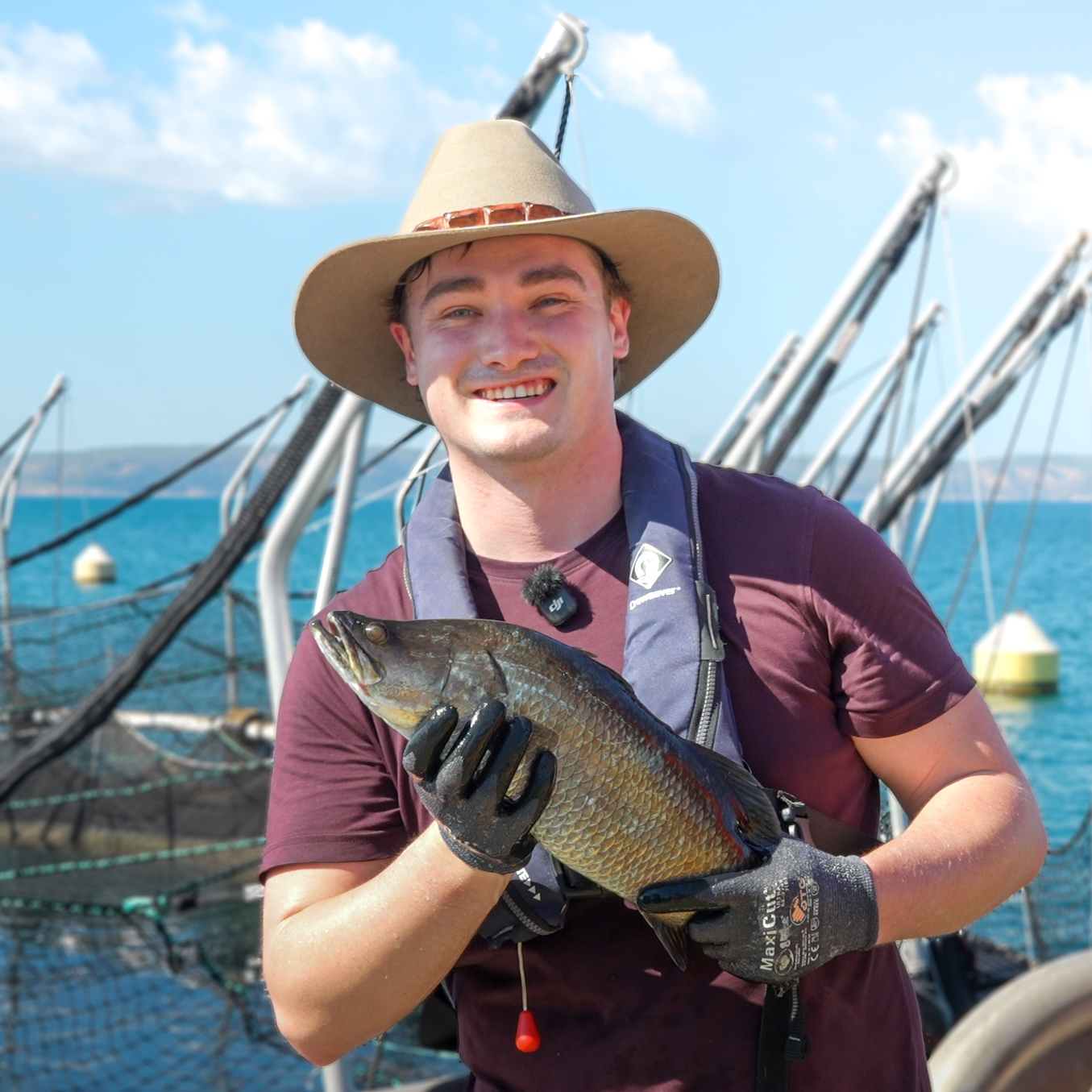

These three plenary sessions together reflect the theme of AE2026 »Aquaculture in Global Change«, taking a deep look at climate change, energy costs, environmental regulation, food security and much more.
This year’s programme is rich with something for everyone, whether you are a student, a researcher, a veteran of the industry or someone just getting into it. You can expect scientific sessions, trade shows, networking events, policy forums, industry meetings and student events.
The pre-event excursions will take participants beyond the conference room to discover Slovenia’s aquaculture, freshwater ecosystems and local traditions. From trout farms and hatcheries to Lake Bled and the Soča Valley, the tours offer a chance to explore local aquaculture and connect with other participants.
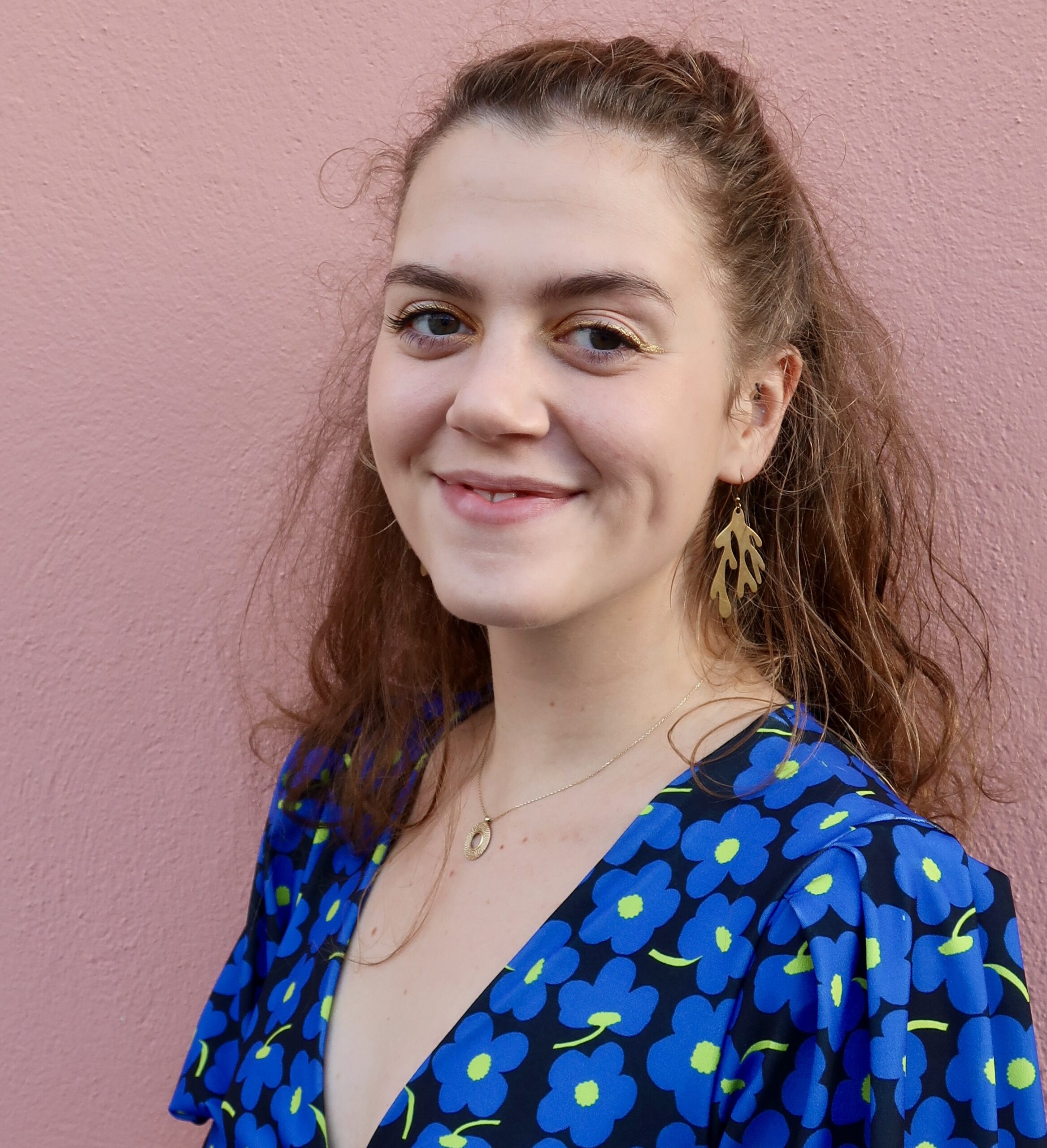
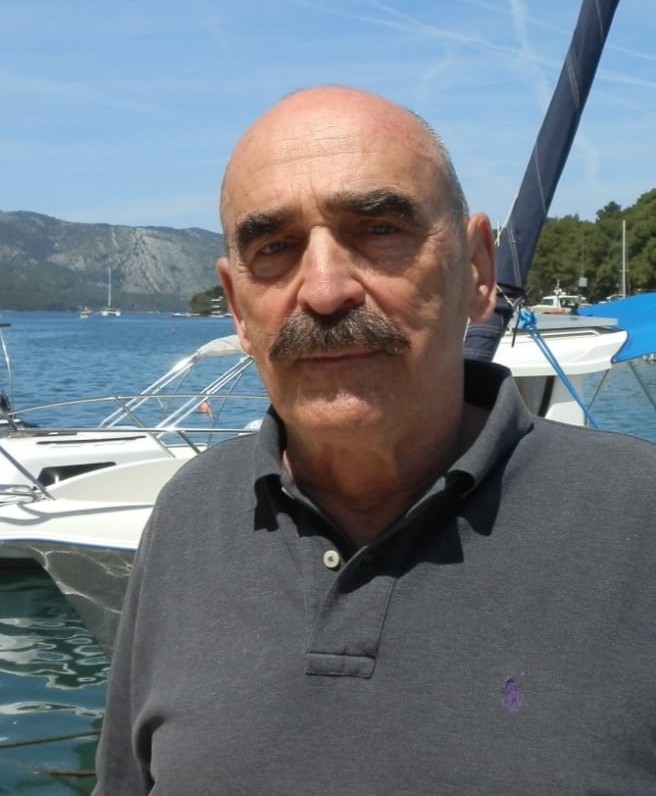
Students and early-career researchers will have plenty of opportunities to learn, present their work and connect with others at AE2026. The Student Spotlight Award will once again put emerging research in the spotlight, with three finalists selected to present their work in three-minute pitches during the opening ceremony. The winner will be selected through live audience voting. (link)
The programme also includes dedicated opportunities for professional development. An
Aquaculture Economics and Management Workshop, aimed at PhD students and early-career researchers, will explore the economic and practical dimensions of aquaculture and seafood systems. (link) Participants can also take part in the EAS Student Workshop, which will provide a practical introduction to digital nutrition and the use of nutritional modelling tools – Feednetics (registration mandatory – link).
For those looking to strengthen their scientific communication skills, the Author Workshop: Understanding Academic Publishing will offer practical guidance on preparing manuscripts, choosing journals, navigating peer review and promoting published research. The session is free, but registration is required and places are limited. (link)
Beyond the formal programme, AE2026 also provides opportunities for students to meet fellow delegates and build connections across the aquaculture community.
AE2026 is also supported by this year’s silver sponsors: Bionte, HIPRA, Inve and MixScience.
More information and registration here: https://www.aquaeas.org
Research in Life Sciences at UP FAMNIT
Within UP FAMNIT, research in the life sciences takes an integrative and interdisciplinary approach to understanding various species and ecosystems. Research activities span biodiversity and conservation, agriculture, and bioinformatics, linking fundamental biological knowledge with advanced analytical and computational approaches.
In biodiversity and conservation, research focuses on genetic diversity, the conservation ecology of threatened organisms, and the health and resilience of terrestrial and marine ecosystems. In agriculture, research addresses the biological and environmental dimensions of sustainable agricultural systems, including interactions among organisms, genetic resources, and changing environmental conditions. Bioinformatics complements these activities through the analysis and interpretation of complex biological and molecular data, supporting research in areas such as genetics, genomics, population biology, and biodiversity.
Researchers combine multidisciplinary expertise with advanced molecular methods, bioinformatic and computational tools, remote sensing technologies, and population and spatial analyses. Together, these approaches enable UP FAMNIT to address contemporary challenges in biodiversity conservation, sustainable agriculture, and biological data science, with research activities extending across Slovenia and the wider Mediterranean region.