Univerza na Primorskem Fakulteta za matematiko, naravoslovje in informacijske tehnologije
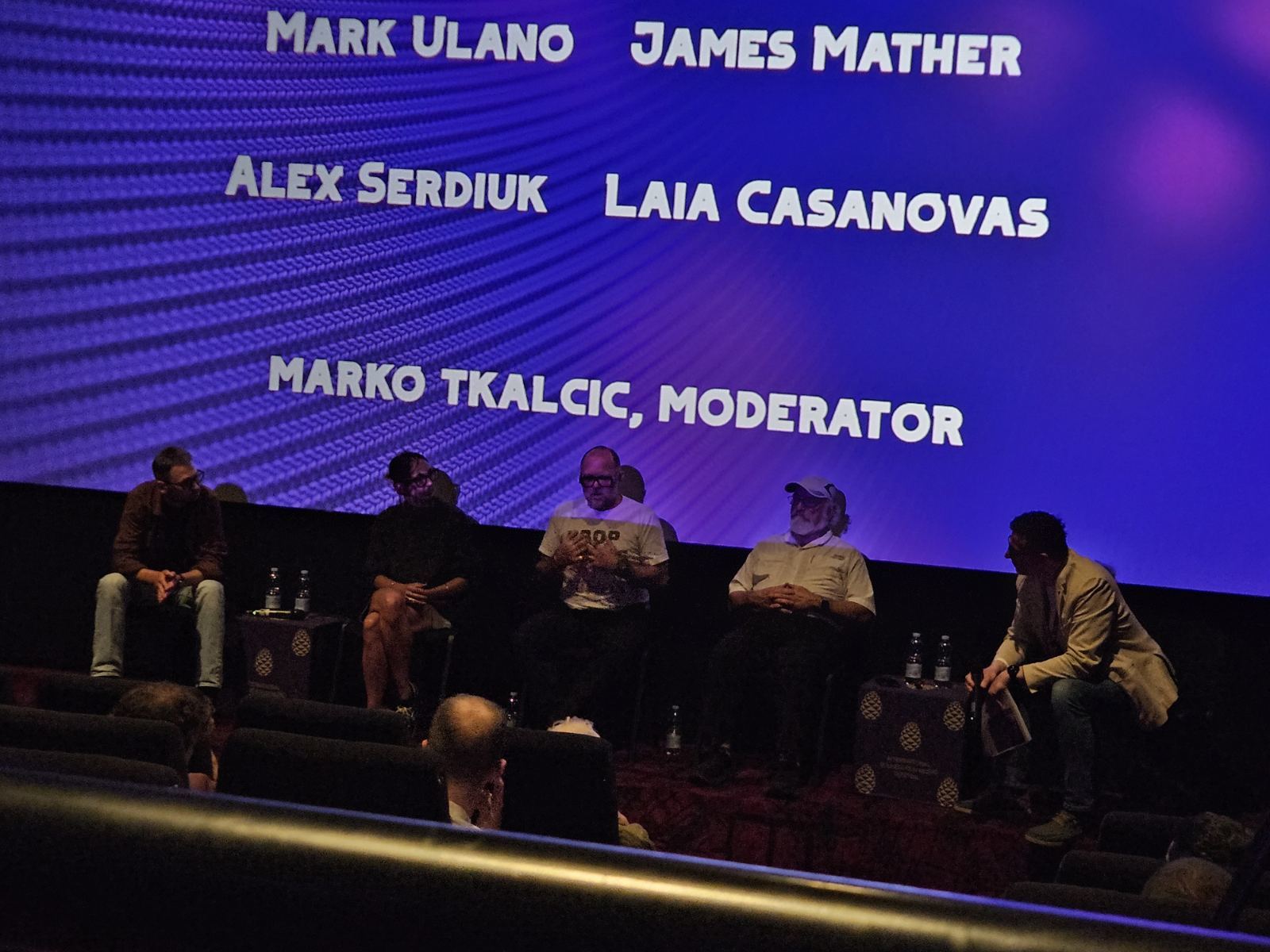
Professor Marko Tkalčič moderated the panel discussion »The Impact of AI on the Future of Film, Gaming, and Media Arts« on May 23 at ISFMF (International Sound & Film Music Festival) in Varaždin, Croatia.
ISFMF is recognised as one of the world’s leading festivals dedicated to film music and sound. The festival began its journey in 2012, with its first edition taking place in 2013. It was founded with a clear and powerful vision — to create a space where sound is not secondary but essential, and where film music is recognised as a fundamental element of storytelling and emotional expression in cinema. For more than a decade, the festival has brought together internationally acclaimed composers, sound designers, filmmakers, and creative industry professionals, fostering dialogue on the future of film and media arts. The 14th edition of the festival, which was held from 21 to 24 May, featured numerous distinguished guests, including several Academy Award winners and nominees.
The panel moderated by Prof. Tkalčič focused on the impact of artificial intelligence on the future of film, video games, and media arts. The discussion raised questions of authorship, creative control, and ethical boundaries at a time when artificial intelligence is already actively transforming production processes and the ways in which sound and media content are created.
The panel featured internationally renowned experts from the film industry:
- Alex Serdiuk, Co-founder and CEO of Respeecher, a leading company in AI voice technologies;
- James Mather, Oscar winner for Top Gun: Maverick;
- Mark Ulano, Oscar winner, known for his work on Titanic and collaborations with Quentin Tarantino and Martin Scorsese;
- Laia Casanova, internationally recognised for her work on Sirât.
Prof. Tkalčič explores the intersection of artificial intelligence, psychology, and human behaviour. His work brings a critical, human-centred perspective to the evolving relationship between technology and creativity. Through his work, he makes an important contribution to understanding how technology can support, rather than replace, human creativity in contemporary media.
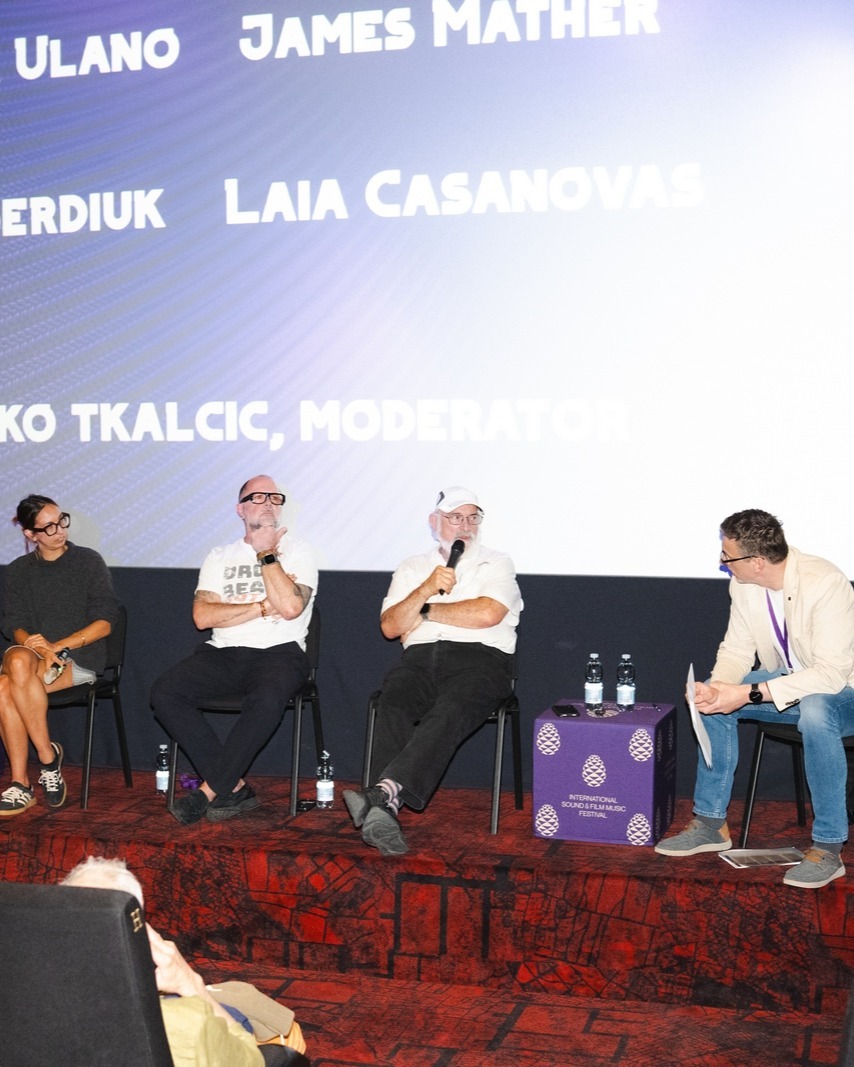
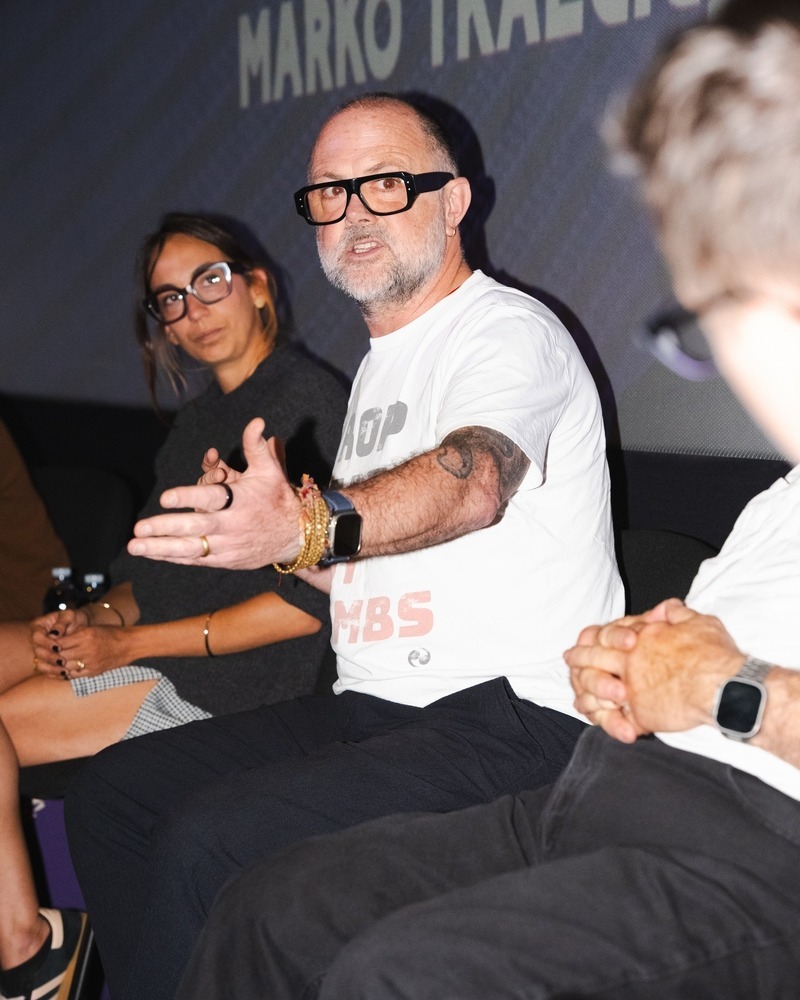
Foto: ISMF